
Errorcore
Production failed. See why.
Details
- Follow on
- Categories
- Target Audience
- Platforms
- Featured in
- Alternatives
 Datadog alternatives
 Sentry alternatives
Discovery signals
How AI and people discover Errorcore on PeerPush
By AI reads among Developer Tools tools
421 AI reads in the last 30 days, ranked against every Developer Tools tool listed.About Errorcore
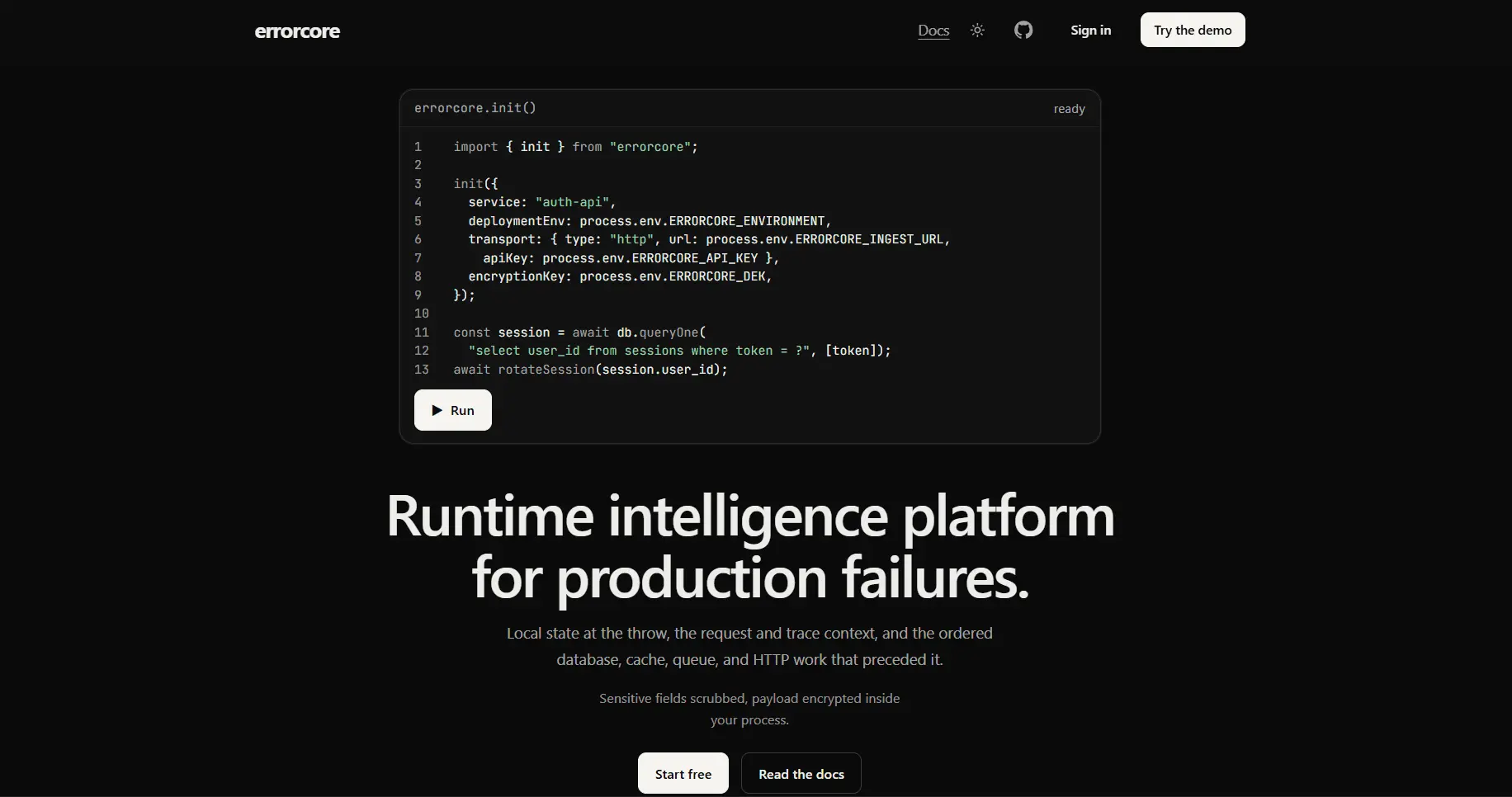
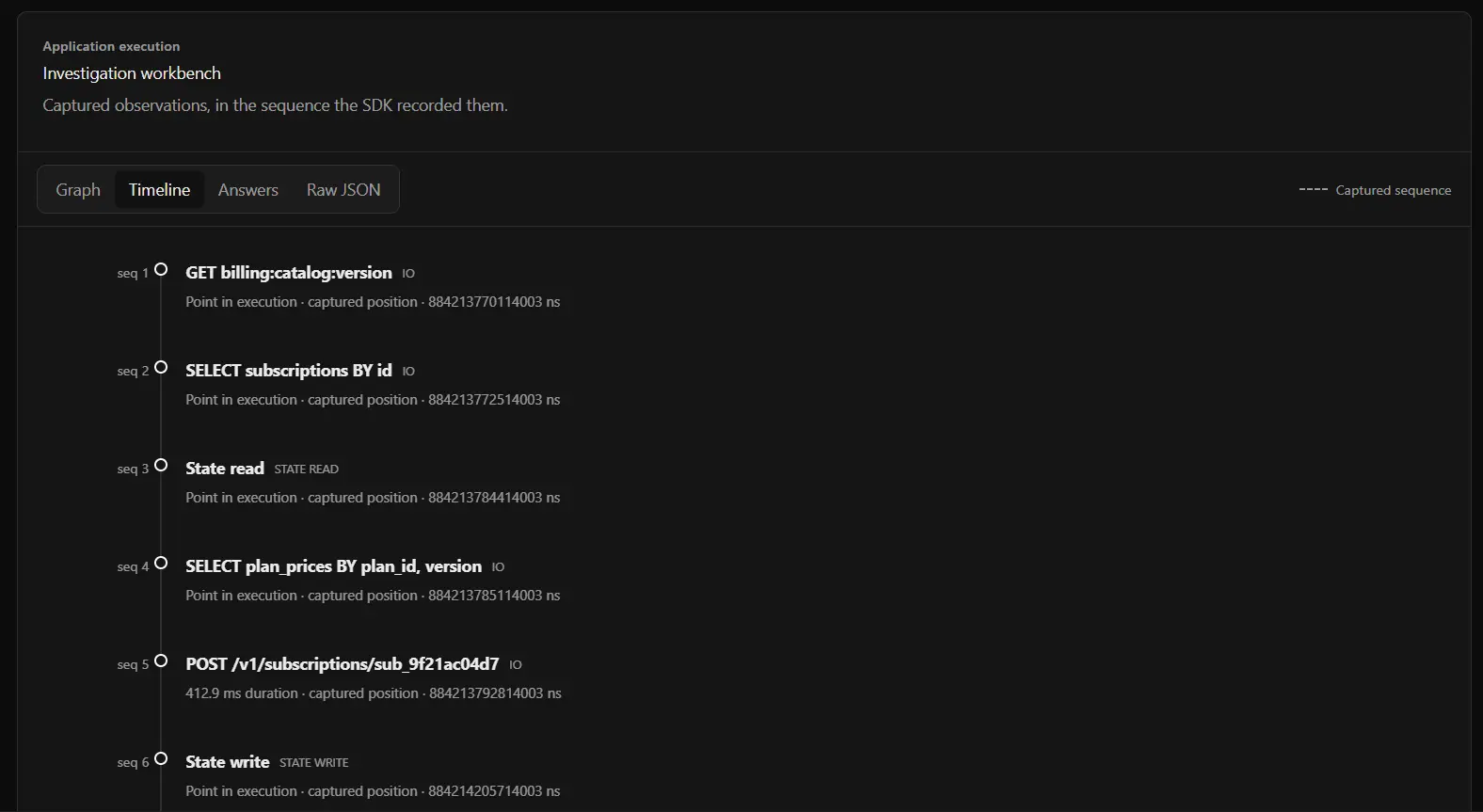
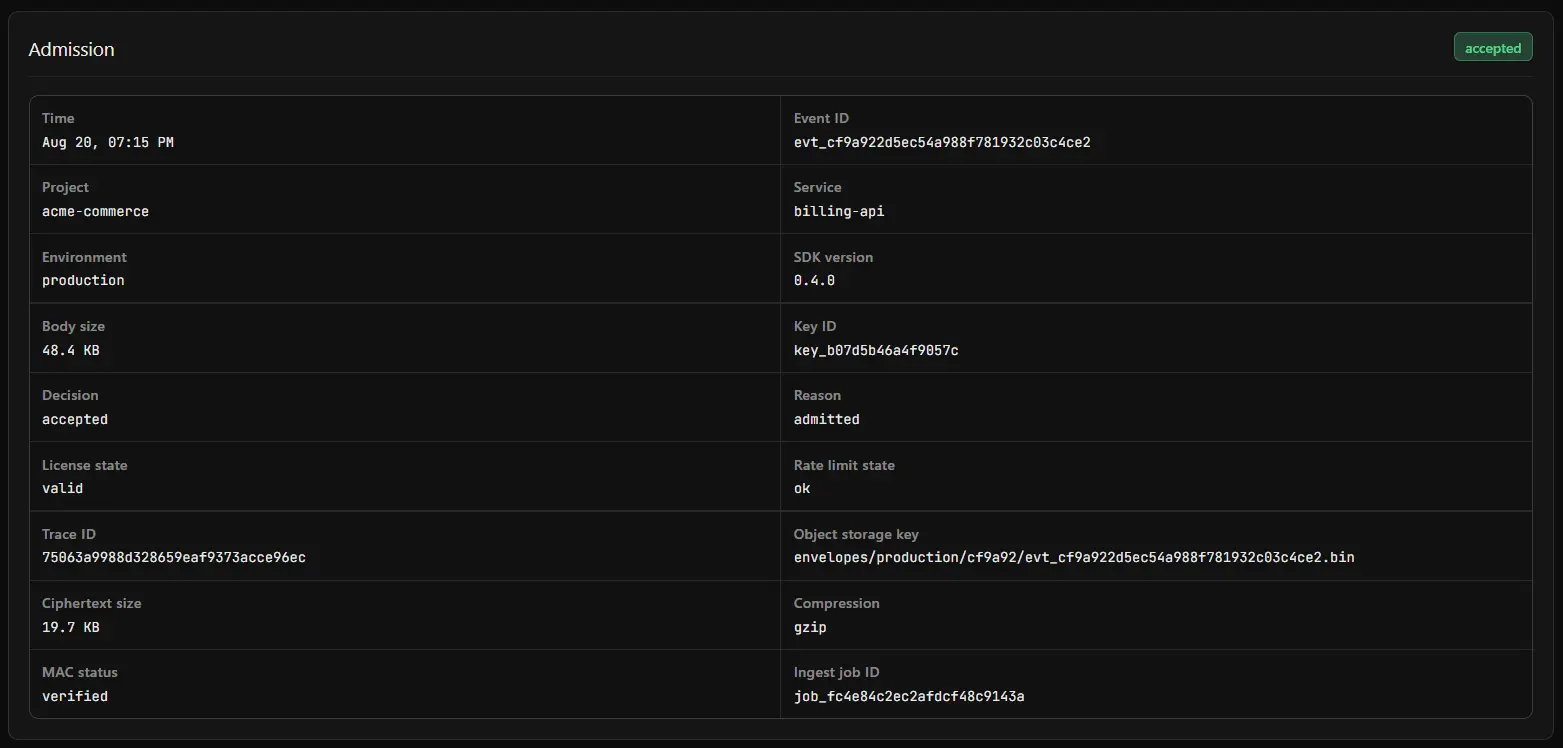
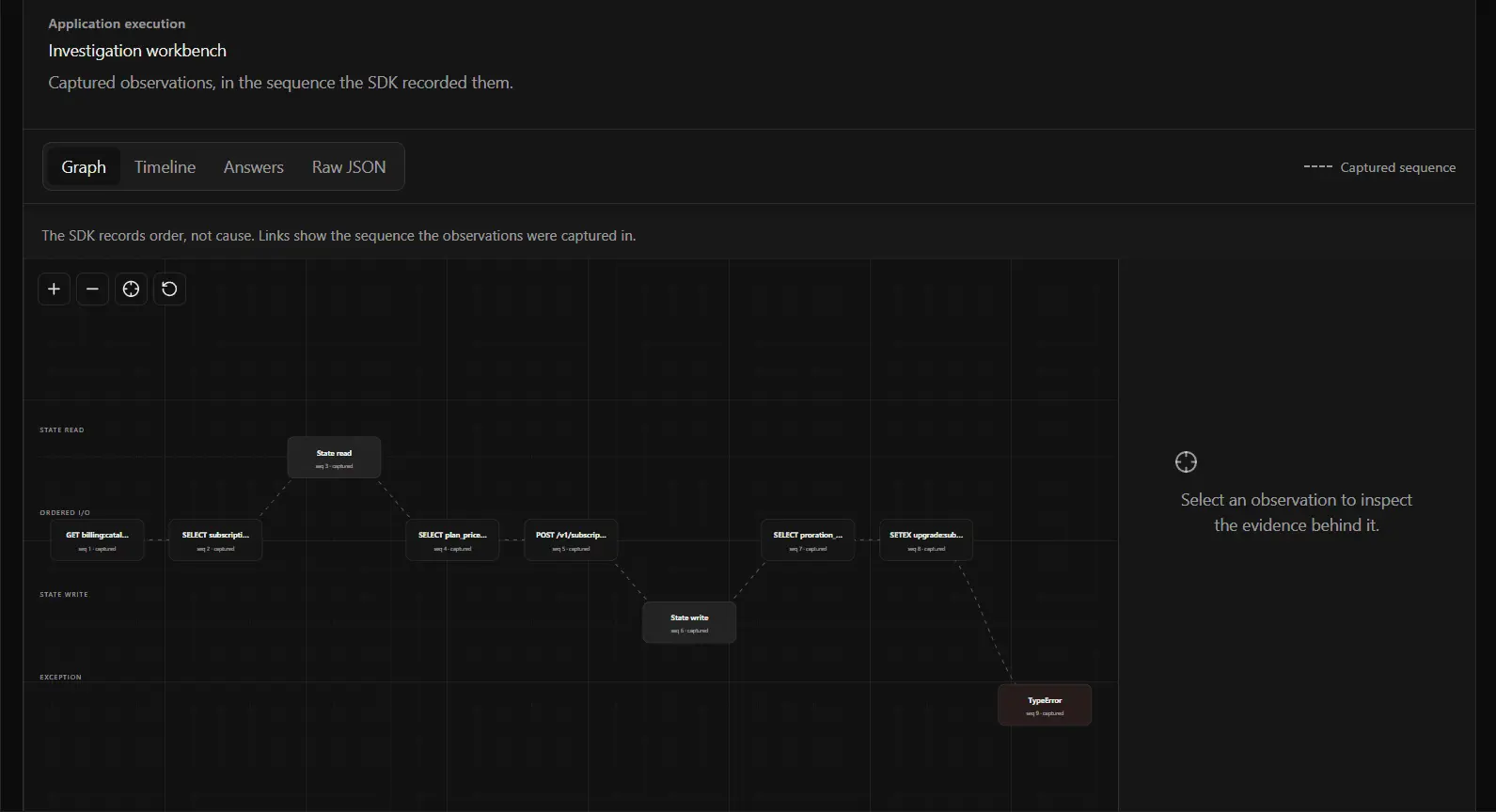
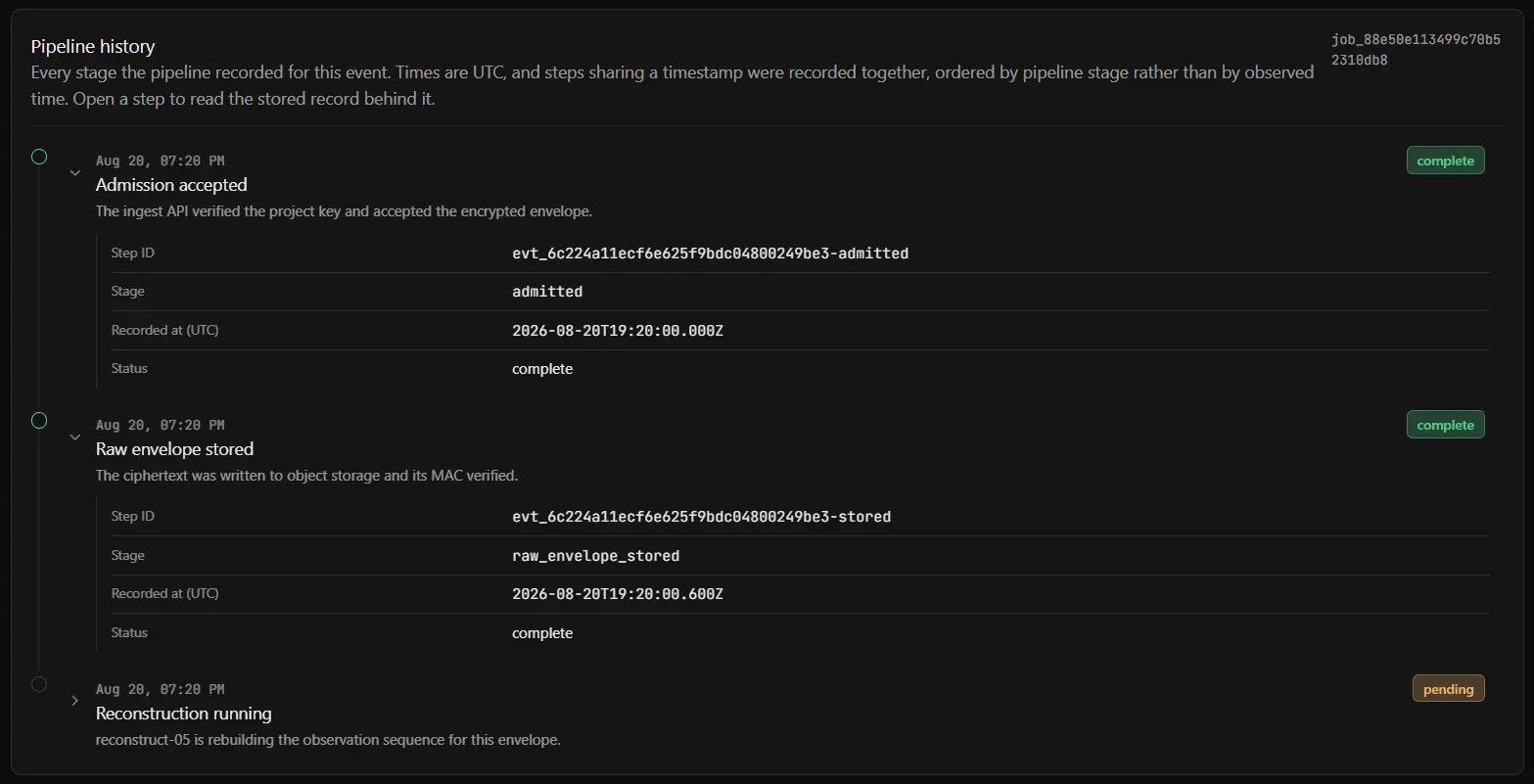
Errorcore helps engineering teams understand why production software failed without spending hours reconstructing incidents from logs, traces, and stack traces. For Node.js applications, Errorcore captures bounded runtime evidence at the moment of failure, including local state, async context, request metadata, recent database and HTTP I/O, and the execution path leading to the exception. Unlike traditional observability tools that primarily show where and when something went wrong, Errorcore preserves the application state that can explain why it happened. Developers can use that evidence to investigate hard-to-reproduce failures faster, while AI debugging agents get structured runtime context instead of having to infer the root cause from thousands of lines of telemetry. Errorcore is built for production with bounded capture, privacy controls, sensitive-data scrubbing, and low-overhead instrumentation. Stack traces tell you where. Errorcore gives you the evidence behind why.
Screenshots
Reviews (1)
Average 5.0 out of 5
Based on 1 review

Seeing bounded runtime state alongside the stack trace could make those mysterious Node.js production failures much faster to reproduce and explain.
Comments (5)
Capturing bounded runtime state alongside async context sounds especially valuable for failures that disappear before they can be reproduced. How configurable is the sensitive-data scrubbing for different teams?
Reconstructing an incident out of logs, traces and a stack trace is the part that eats the afternoon, and it is always done under pressure with half the context already rotated away. Going straight to why it failed is the thing to sell.
Bounded runtime evidence around a Node.js failure seems more actionable than another dashboard of timestamps. Privacy controls and sensitive-data scrubbing matter for teams that need deeper debugging without widening exposure.
Capturing the actual runtime state at the moment of failure, not just where it broke, is exactly what hard-to-reproduce bugs need. As a QA engineer I like the bounded capture and data scrubbing for production use.
Built Errorcore because production failures still turn into detective work. We preserve the runtime evidence around the crash so teams can reach the root cause faster. Would love feedback.