
tracked.
stop wasting money on things you don't need

Details
- Categories
- Use Cases
- Pricing
- Freemium from $2.99
Discovery signals
How AI and people discover tracked. on PeerPush
About tracked.
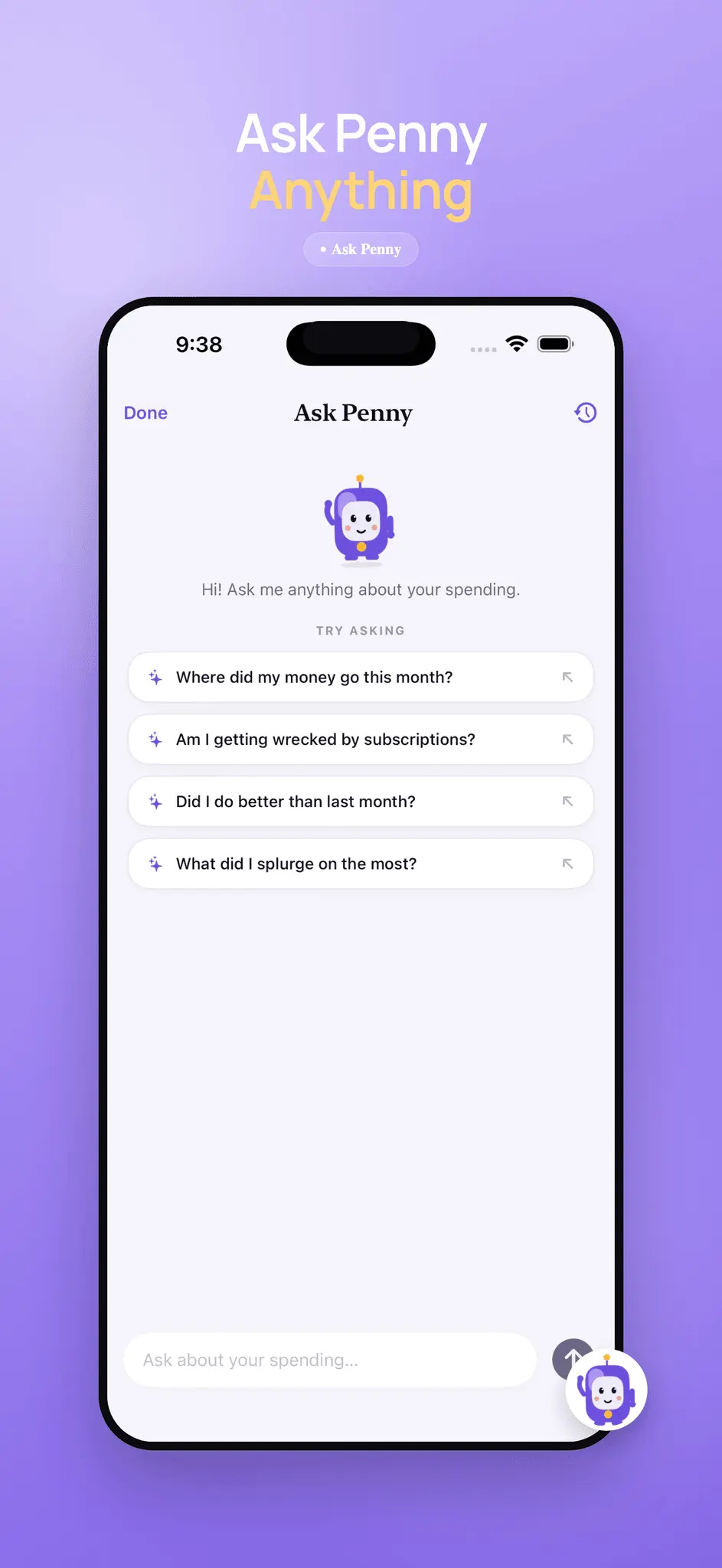
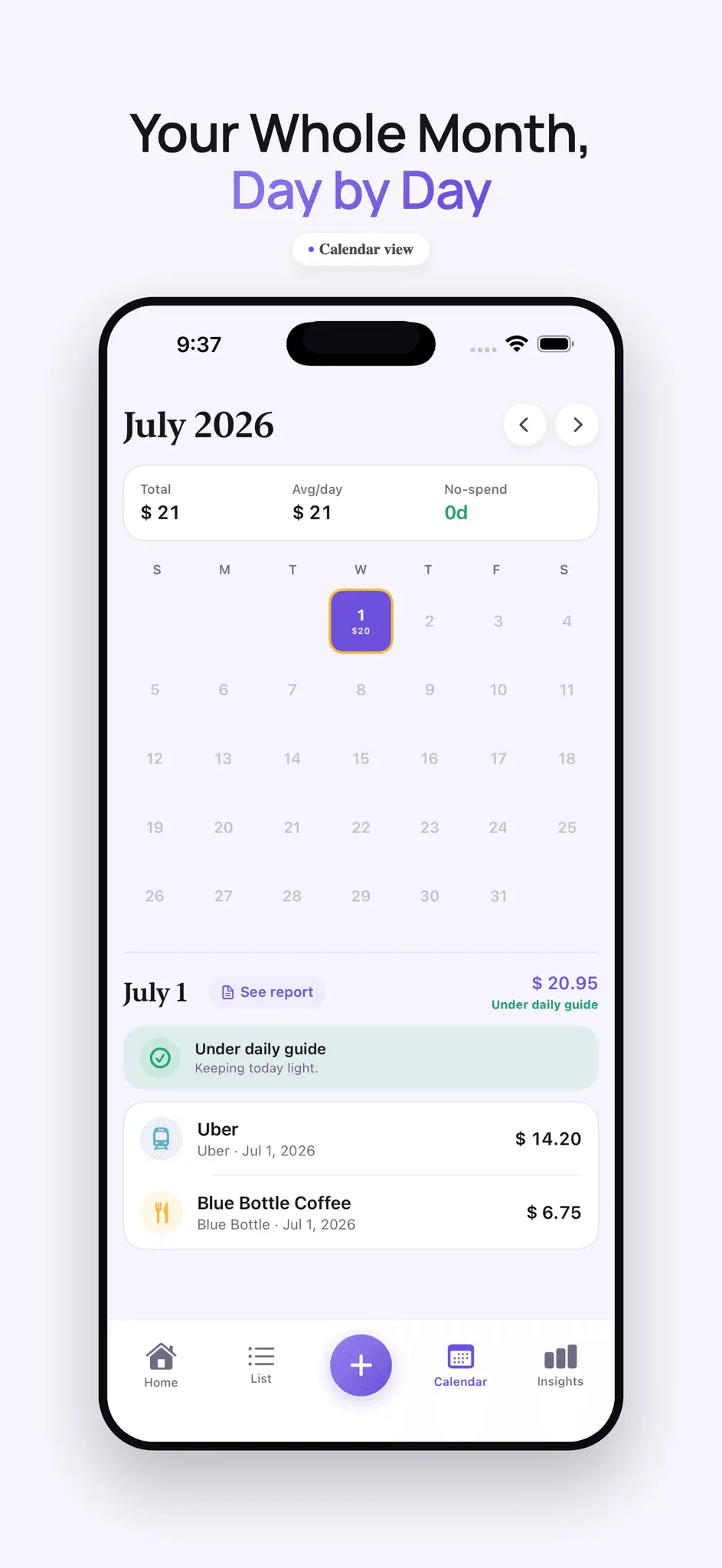
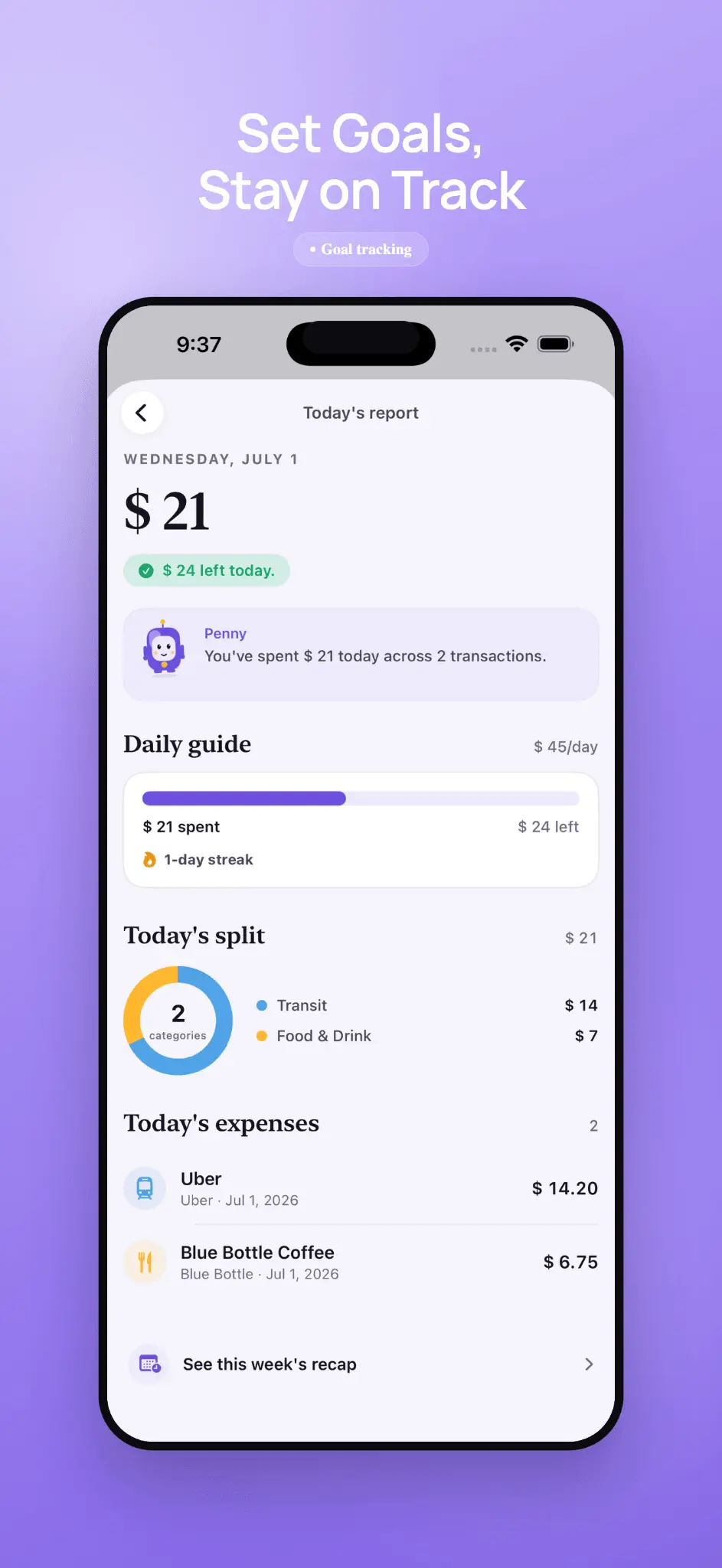
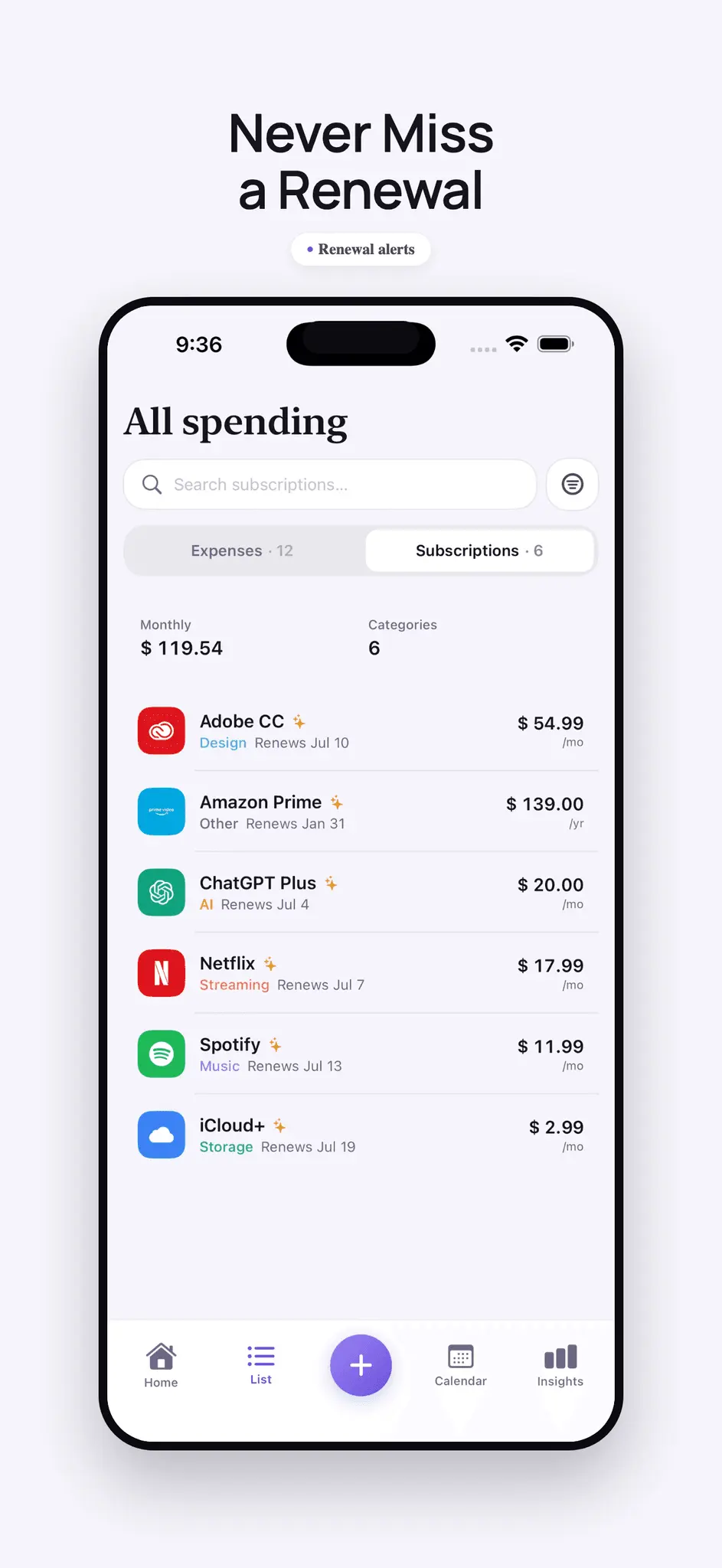
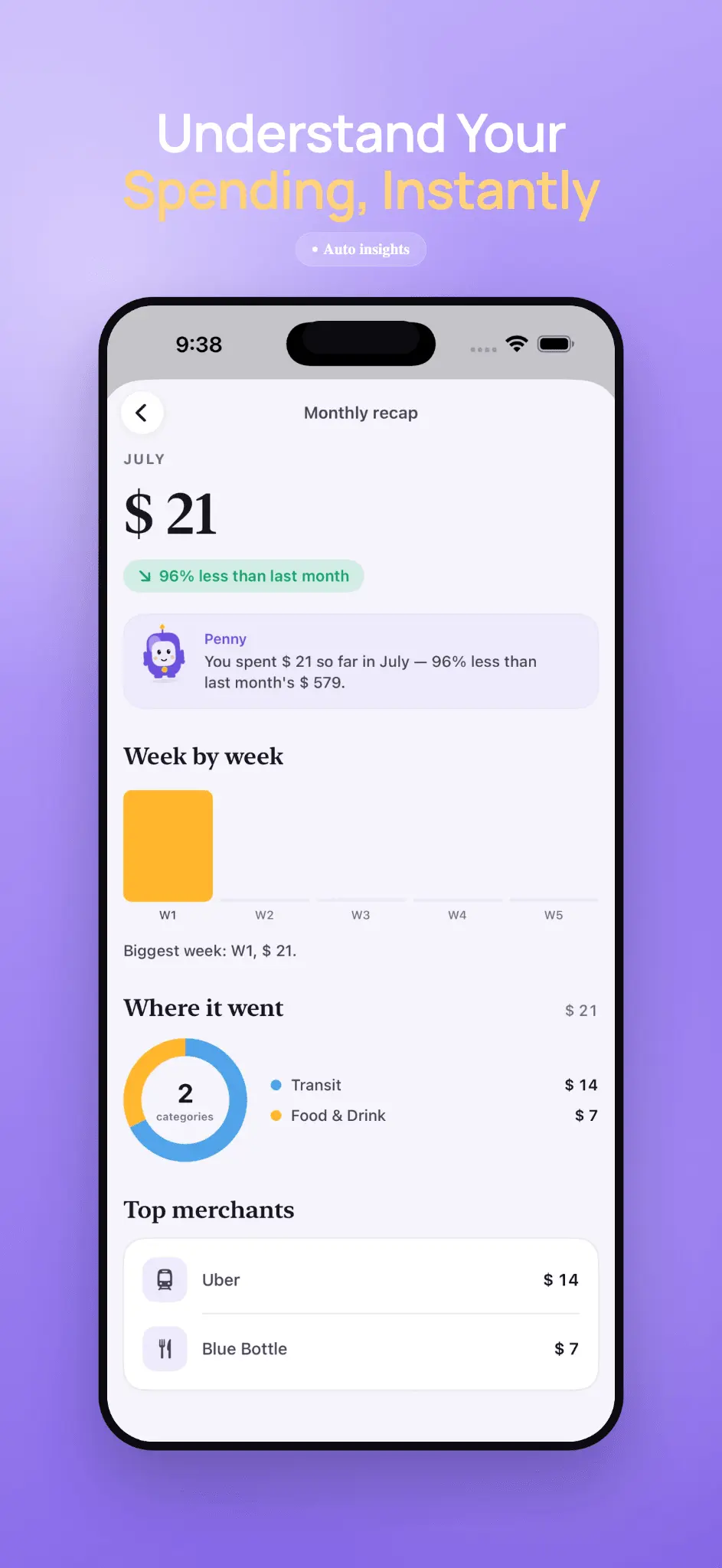
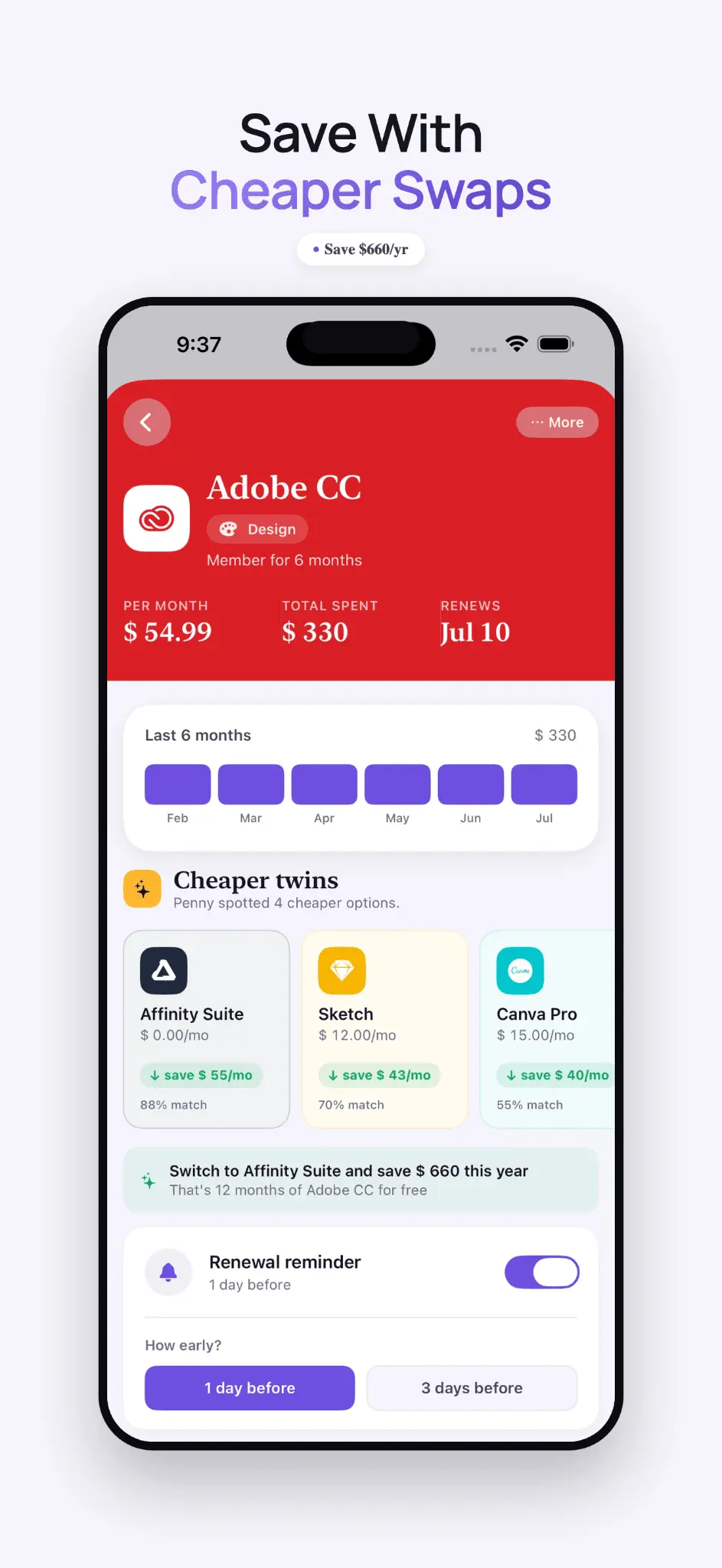
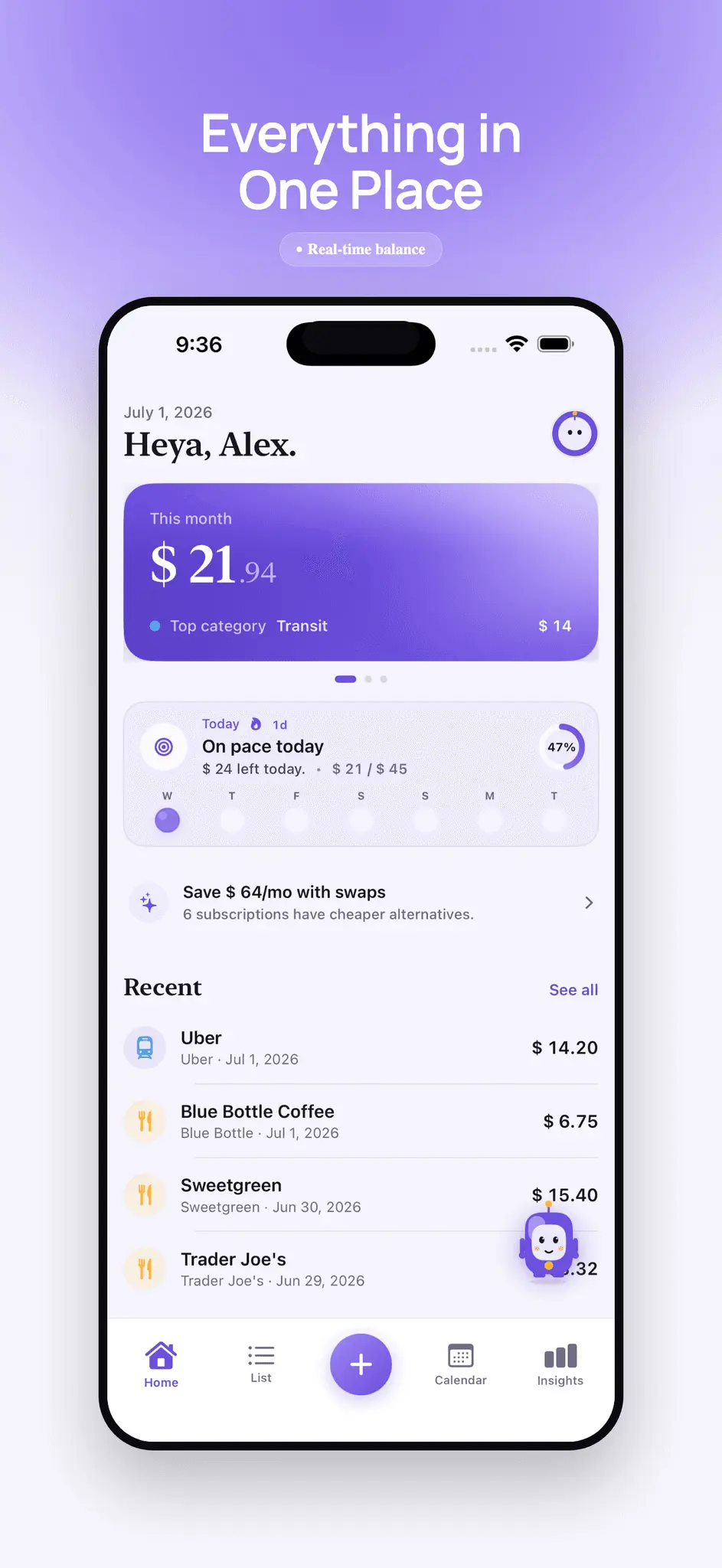
tracked. is a free iOS app for tracking expenses and subscriptions, built around a simple idea: most tools report on spending after the money's already gone, and by then it's too late to do anything about it. tracked. was built by a solo indie developer who kept getting blindsided by subscription renewals — the kind of charge that hits the card and you think "wait, I forgot I even had that." Instead of another after-the-fact spreadsheet, the app was designed to intervene before the renewal happens, and to actually offer a way out, not just a warning. At its core, tracked. is fast: expenses log in two taps, with no lengthy forms or manual categorization required to get useful data out of it. It automatically tracks recurring subscriptions and surfaces upcoming renewals ahead of time, so nothing renews as a surprise. Where it differs from typical expense trackers is what happens next — when tracked. flags a subscription that's about to renew, it doesn't stop at "you're paying for this." It points to a specific, cheaper or better alternative to switch to, pulled from a small, human-reviewed directory rather than a generic scraped list, so the suggestion is actually worth acting on. That directory runs both directions. Independent developers can submit their own app for free if it's a genuinely cheaper or better alternative to something people already pay for — which makes tracked. as much a discovery channel for other indie builders as it is a tracking tool for everyday users. It's a small, deliberately curated space rather than an open ad marketplace, meant to actually help people find something worth switching to. The app also includes Penny, a built-in AI assistant for asking plain-language questions about spending — things like "how much did I spend on subscriptions this month" or "what's eating my budget" — instead of digging through screens and charts to find the answer. Penny can pull spending summaries, break things down by category, and generate daily and weekly spending reports in plain English, on top of surfacing alternative suggestions when asked. All of this runs against the user's actual on-device data rather than a synced copy — financial data lives in SwiftData on the phone, and only the minimum needed to answer a specific question is ever sent out for the AI to process. Core tracking, renewal warnings, and the alternative-finder are all free, forever, with no artificial limits — that was a deliberate choice, since those are the features that get more valuable the more people use them, and gating them would work against that. The only paid layer is Penny's AI usage: everyone gets a daily budget of AI queries for free, and a Pro subscription (a few dollars a week or a low annual rate, with a short free trial) unlocks a much larger daily budget along with deeper AI-generated insights and report narratives — since that's the one feature that actually costs money to run per-query, unlike the rest of the app.
Screenshots
Reviews (0)
No reviews yet. Be the first to rate this product!
Comments (1)
maker here — got tired of overpaying for stuff, so I built an app that finds cheaper alternatives, and lets indie builders list theirs as one for free.