
Zenda
Integrate Correo Argentino with Shopify and WooCommerce

Details
- Categories
- Use Cases
- Target Audience
- Pricing
- Freemium from $21.9
- Platforms
Discovery signals
How AI and people discover Zenda on PeerPush
About Zenda
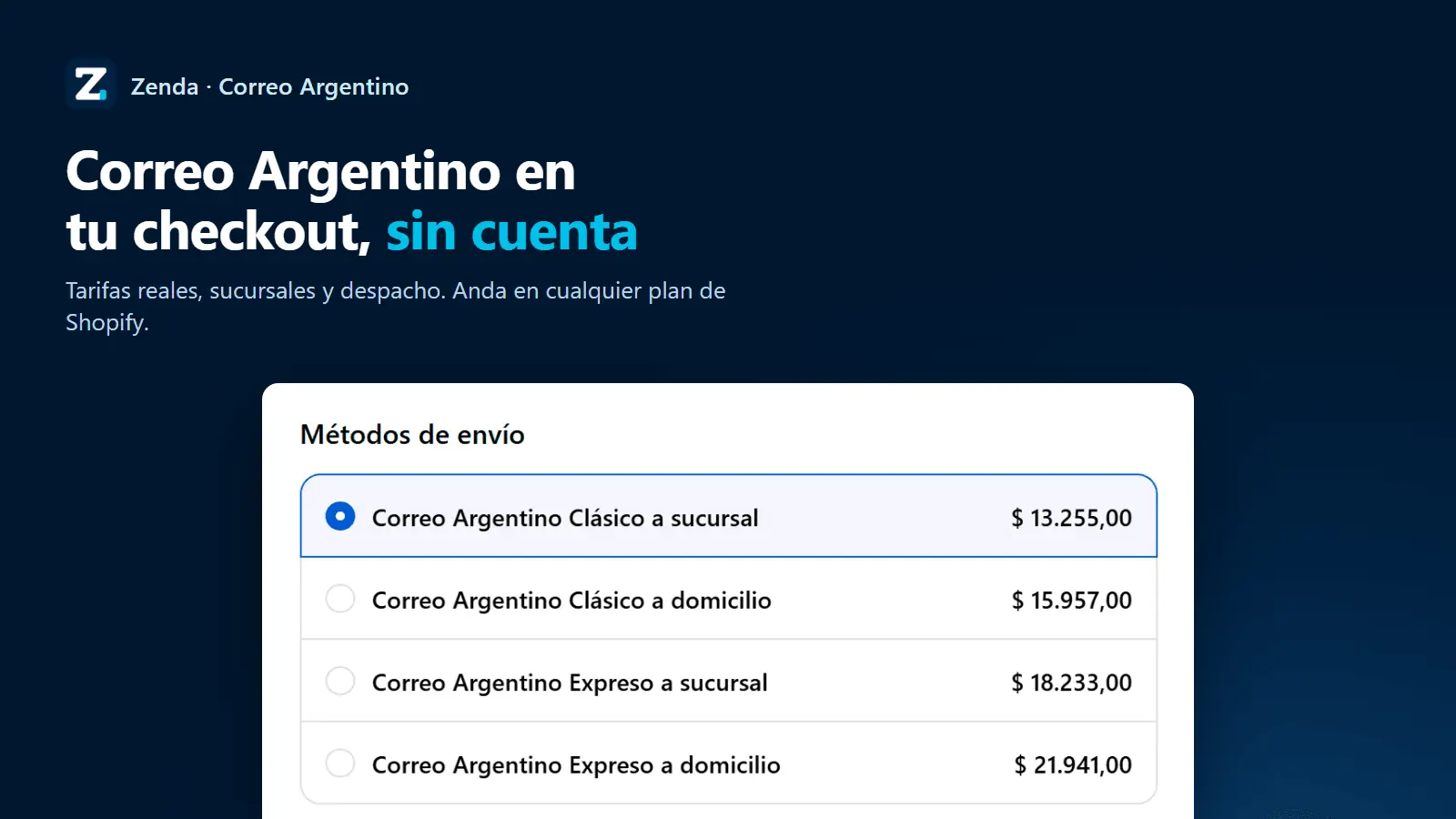
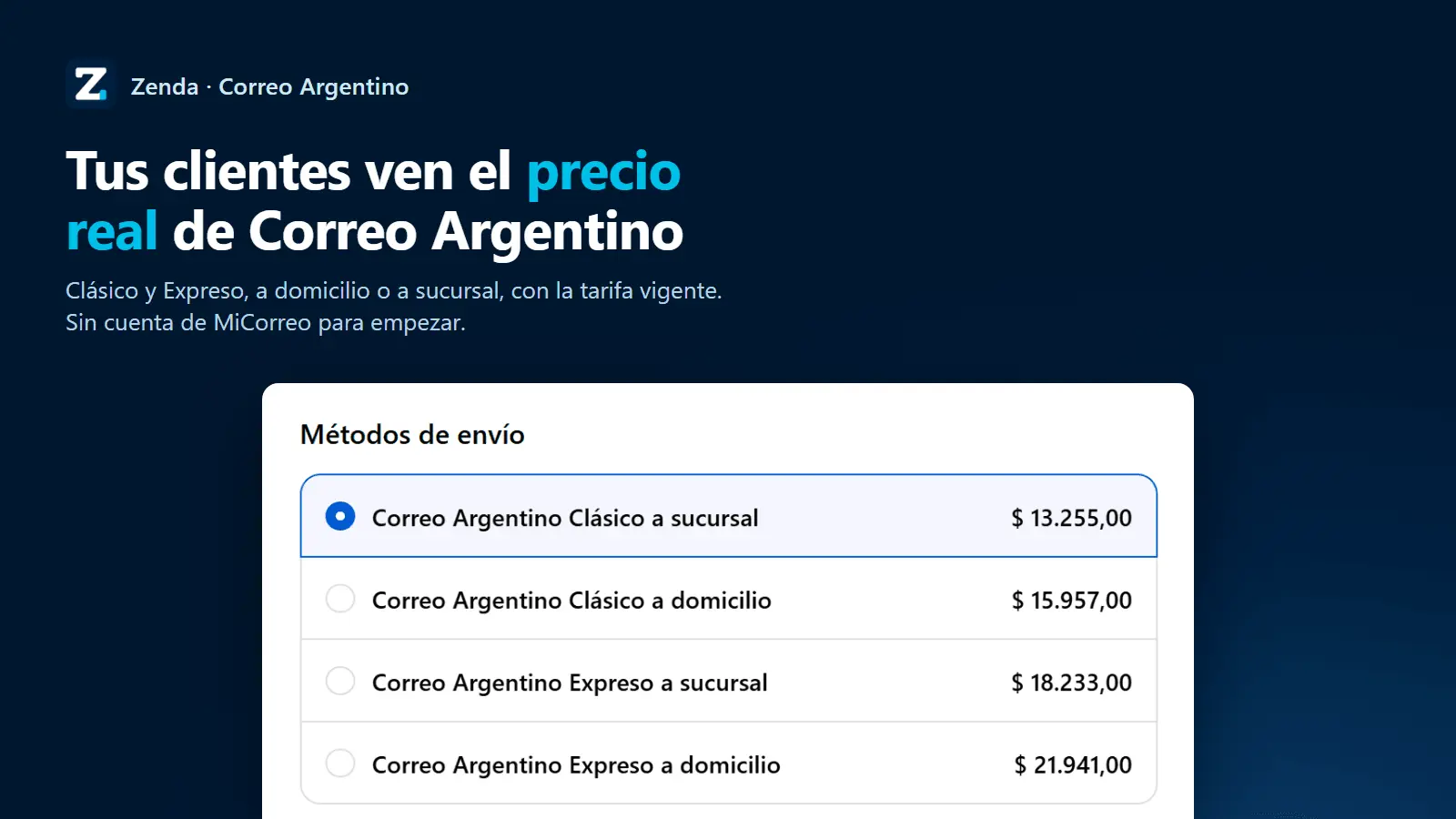
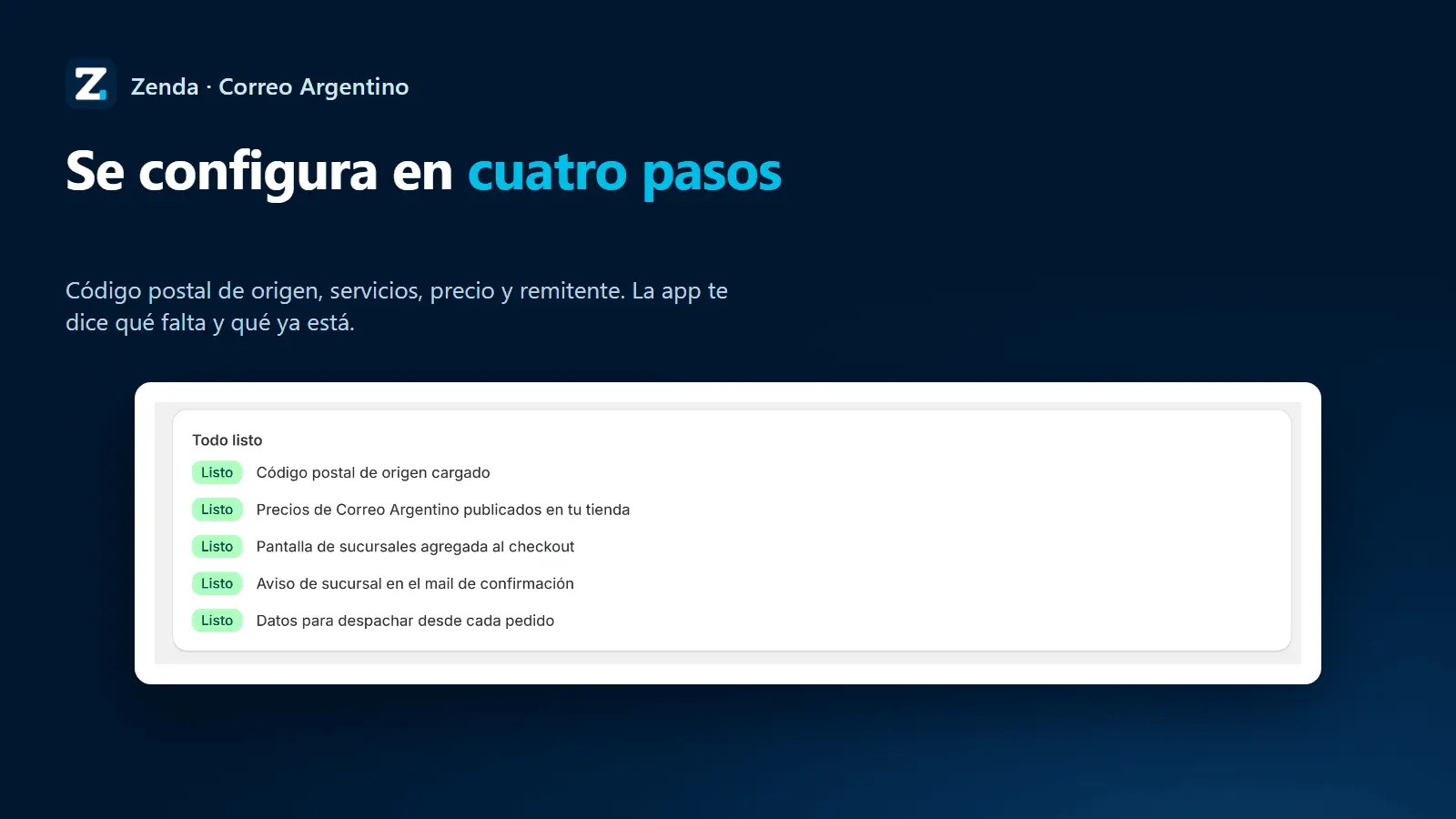
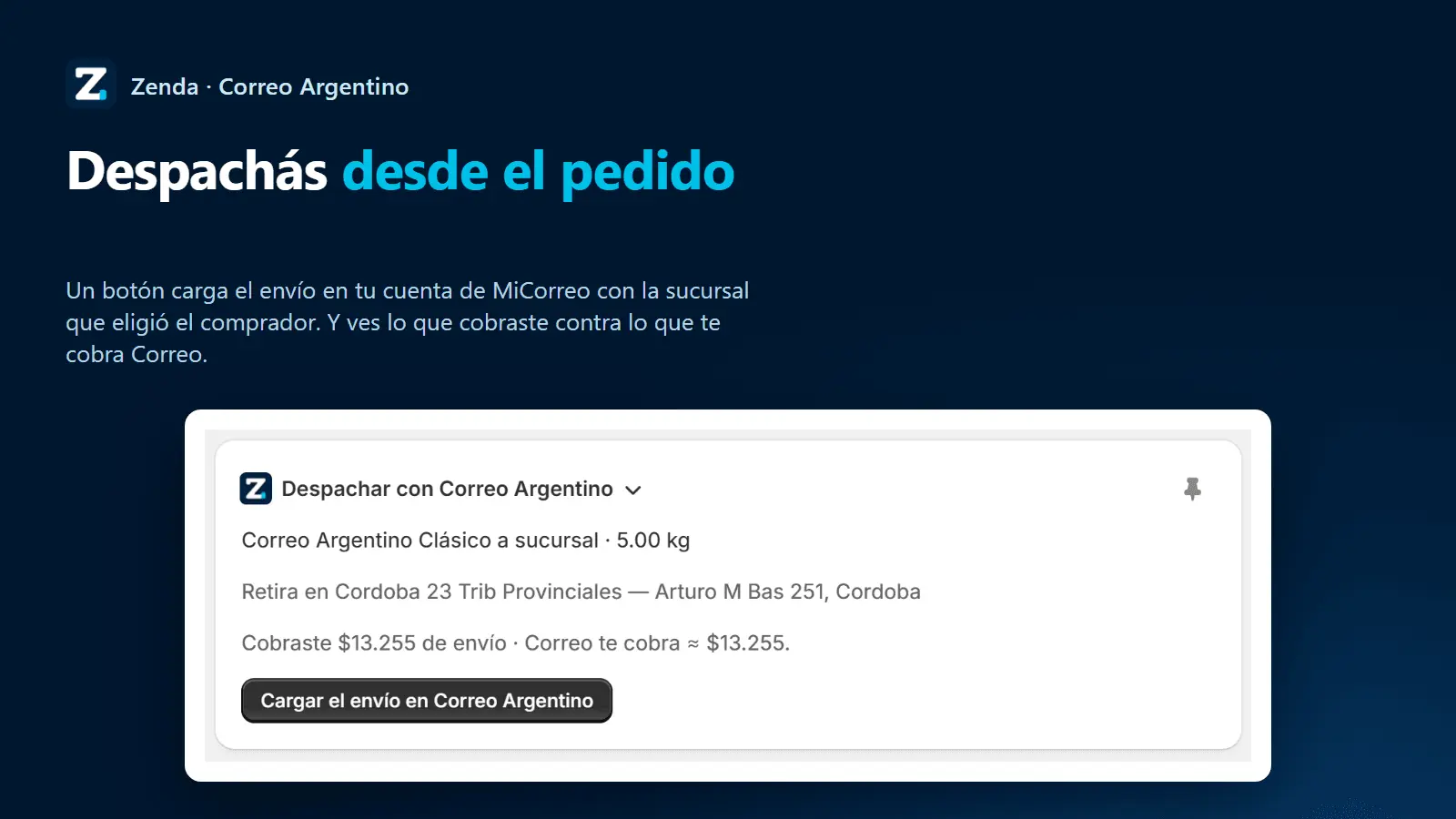
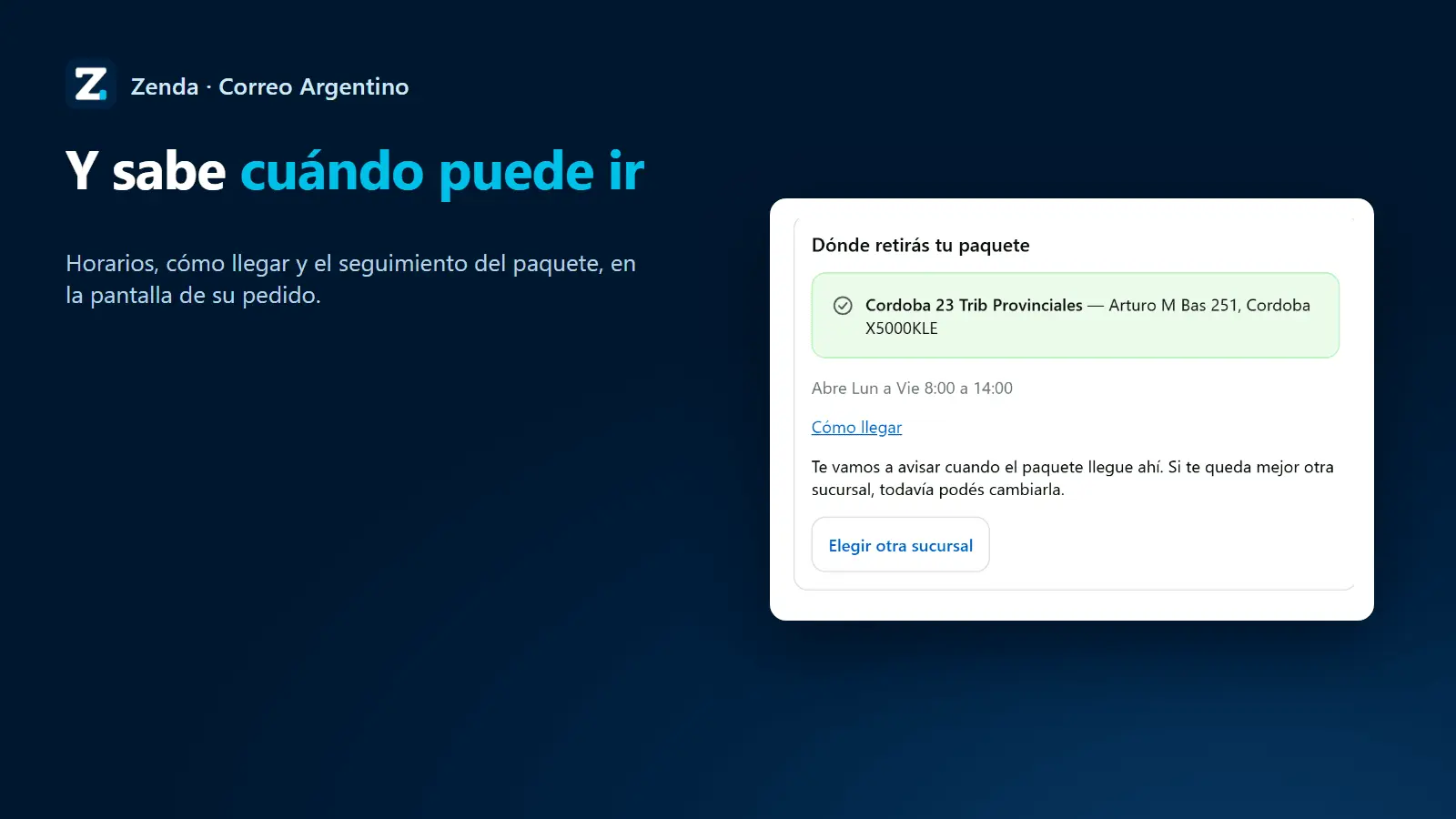
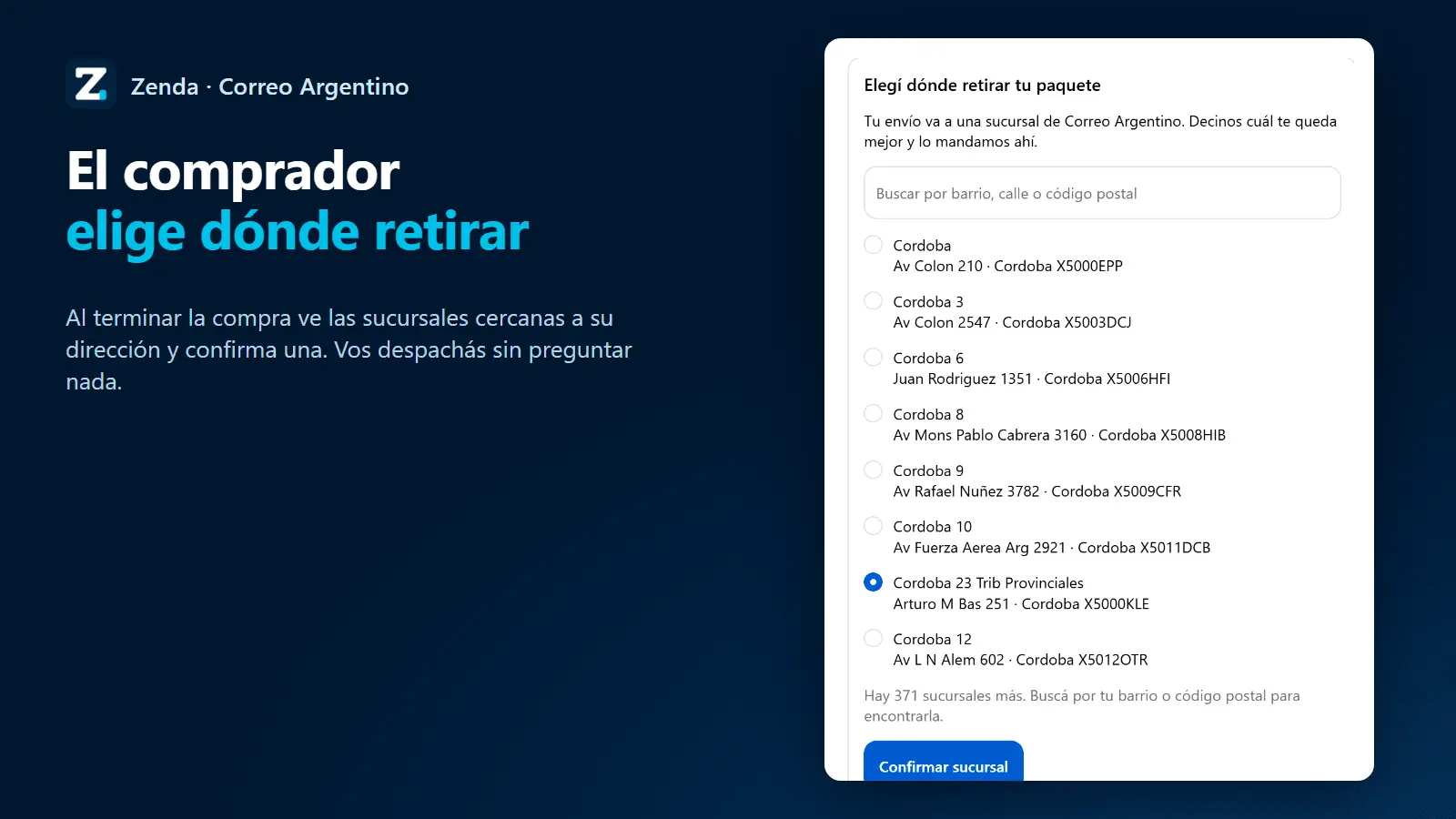
Zenda connects online stores in Argentina with Correo Argentino, the national postal service. At checkout it calculates the real shipping price from the destination postcode and the weight and dimensions of the cart, instead of a flat rate the store has to keep updated by hand. It is available as a plugin for WooCommerce and as an app for Shopify. Main features: - Real-time Correo Argentino rates for home delivery and branch pickup, with the Clásico and Expreso services. - Pickup branch selector for the buyer, covering more than 3,000 Correo Argentino branches. - Shipments loaded into the store's MiCorreo account from the order, one at a time or in batches, plus the bulk upload file for the MiCorreo panel. - Free shipping above an order amount and surcharges by zone. - MiCorreo accounts on both platforms; Paq.Ar accounts on WooCommerce, where labels and automatic tracking are available (Paq.Ar only). - Works with the WooCommerce block checkout (Pro) and on every Shopify plan, Basic included: live rates on Advanced and Plus, rate tables on Basic and Grow. - Setup wizard and diagnostics that detect products without weight, shipping zones without the method and wrong credentials (WooCommerce). Editions and pricing: - Zenda for WooCommerce, free on WordPress.org: rates, home delivery and branch pickup on the classic checkout. - Zenda Pro for WooCommerce: ARS 62,990 per year per site, 15-day free trial. - Zenda for Shopify: USD 21.90 per month or USD 199 per year, 14-day free trial, no order limit. The interface is in Spanish. Zenda is developed by AD Webs and is not affiliated with Correo Argentino S.A.
Screenshots
Reviews (0)
No reviews yet. Be the first to rate this product!
Comments (1)
Hi everyone! I'm Juan, and I build Zenda from Argentina. I'd love your feedback, especially if you've built an integration for a carrier with no real API for shipments. What would you do differently?