AWS

Best Alternatives to AWS in 2026

https://aws.amazon.com

The best alternatives to major cloud platforms are lightweight hosting systems that simplify infrastructure deployment, offer predictable pricing models, and provide robust hosting environments without the management overhead of traditional suites.

These alternative platforms serve developers and teams seeking to deploy applications, run containerized workloads, or manage data layers without navigating complex service menus. They cater to a range of operational needs by offering highly accessible web interfaces, developer-friendly command-line tools, and developer APIs.

To help teams navigate these options, PeerPush structures and layers deployment platforms using clean metadata, mapping every tool by its use cases, deployment platforms, and billing models, such as free tiers or paid subscriptions. Rather than focusing on massive feature sets, modern alternatives excel through superior developer experience, streamlined CLI deployment, integrations with MCP servers, and transparent pricing structures that prevent billing surprises.

All Alternatives to AWS

Comparison of alternatives to AWS, sorted by PeerPush community rank.
ProductPricing
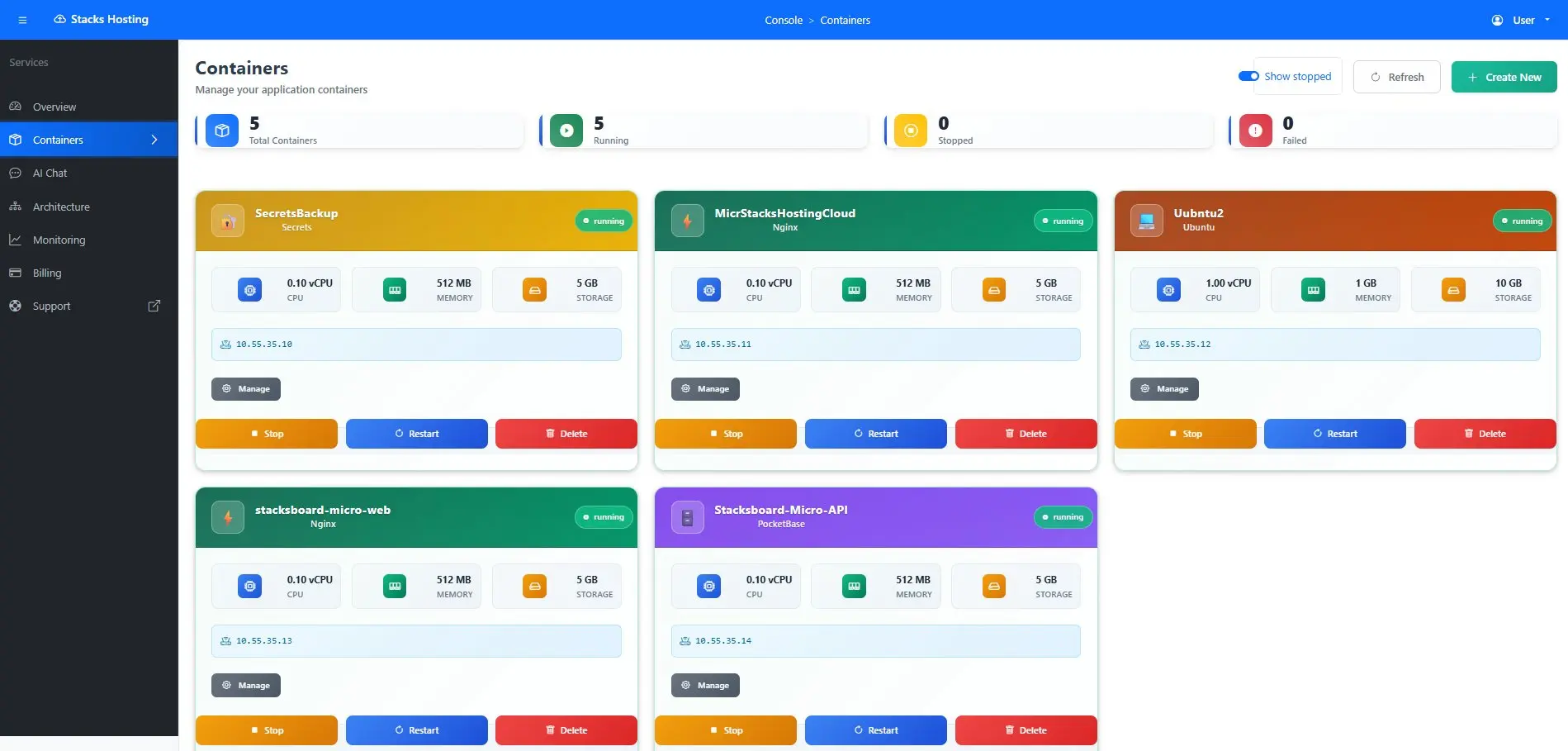
STACKS! Hosting
Paid from $1
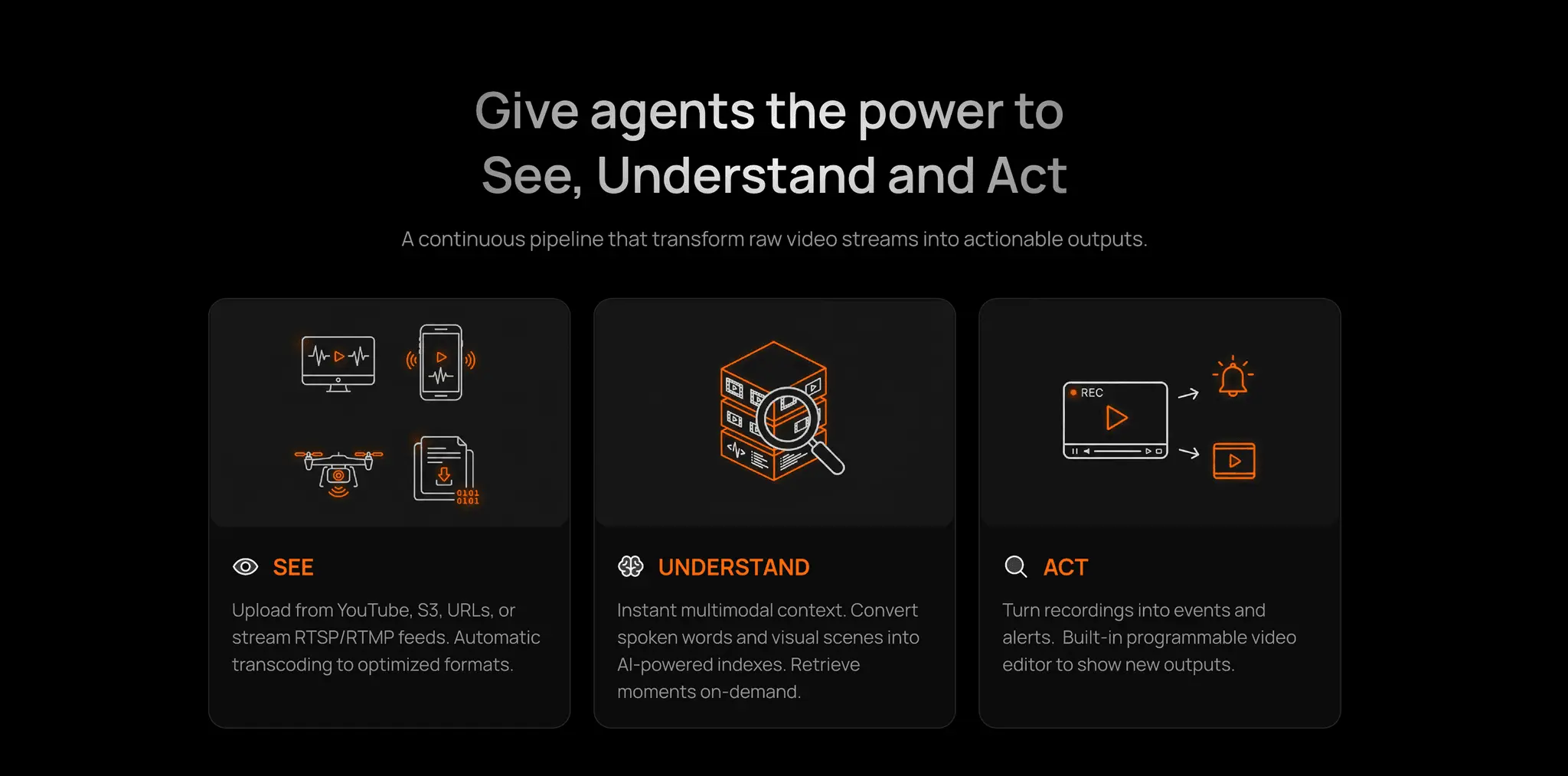
VideoDB
Freemium from $20

What to look for

  • Prioritize platforms with predictable pricing structures to avoid unexpected monthly bandwidth or compute costs.
  • Verify that the provider offers the exact access methods you need, whether that means a web console, a command-line interface, or programmable APIs.
  • Assess the quality of the developer documentation and the responsiveness of the community support channels.
  • Select a hosting service that aligns natively with your deployment stack to minimize ongoing configuration work.

Frequently Asked Questions

Focus on developer experience and pricing clarity. Many modern alternatives eliminate complex configuration panels in favor of streamlined deployment pipelines. Select a platform that matches your specific platform requirements, such as native API integration, command line interfaces, or web management tools, while ensuring billing remains clear and predictable.
Yes, many container-specific cloud providers offer highly affordable, predictable pricing structures. These platforms generally run workloads using simplified web dashboards or automated developer tools. They eliminate the hidden fees of larger clouds by charging fixed rates for allocated memory and processing power.
PeerPush ranks cloud platforms using sustained community engagement metrics, tracking bookmarks, click-throughs, and user reviews over time. This approach prevents temporary hype or upward spikes from distorting the list, ensuring that developers see stable, highly regarded deployment tools that are trusted by the community.
APIs allow you to automate infrastructure deployments directly from scripts or continuous integration pipelines. Automated deployments minimize manual errors and speed up release cycles. While web interfaces remain excellent for monitoring operations, programmatic access is essential for managing scalable cloud services efficiently.
PeerPush organizes infrastructure tools with structured, normalized data using precise vocabularies for platforms, use cases, and pricing structures. Active developers and AI assistants can query this machine-readable database directly, making it easy to find specific services that support command-line workflows, MCP environments, or particular budget guidelines.
The top community-ranked alternatives to AWS are listed below, ordered by engagement, features, and user feedback from the PeerPush community.
Yes. Free and freemium alternatives to AWS are available on PeerPush. Use the pricing filter to view only free and freemium options.
Alternatives to AWS on PeerPush are available on Web, API, CLI, MCP. Filter by platform to find the best match for your needs.