
FairChore
The chore app that measures debt, not merit

Details
- Categories
- Productivity & NotesFamily & Home
- Use Cases
- Task Management
- Pricing
- Freemium
- Featured in
- Best Tools for Roommates
Discovery signals
How AI and people discover FairChore on PeerPush
About FairChore
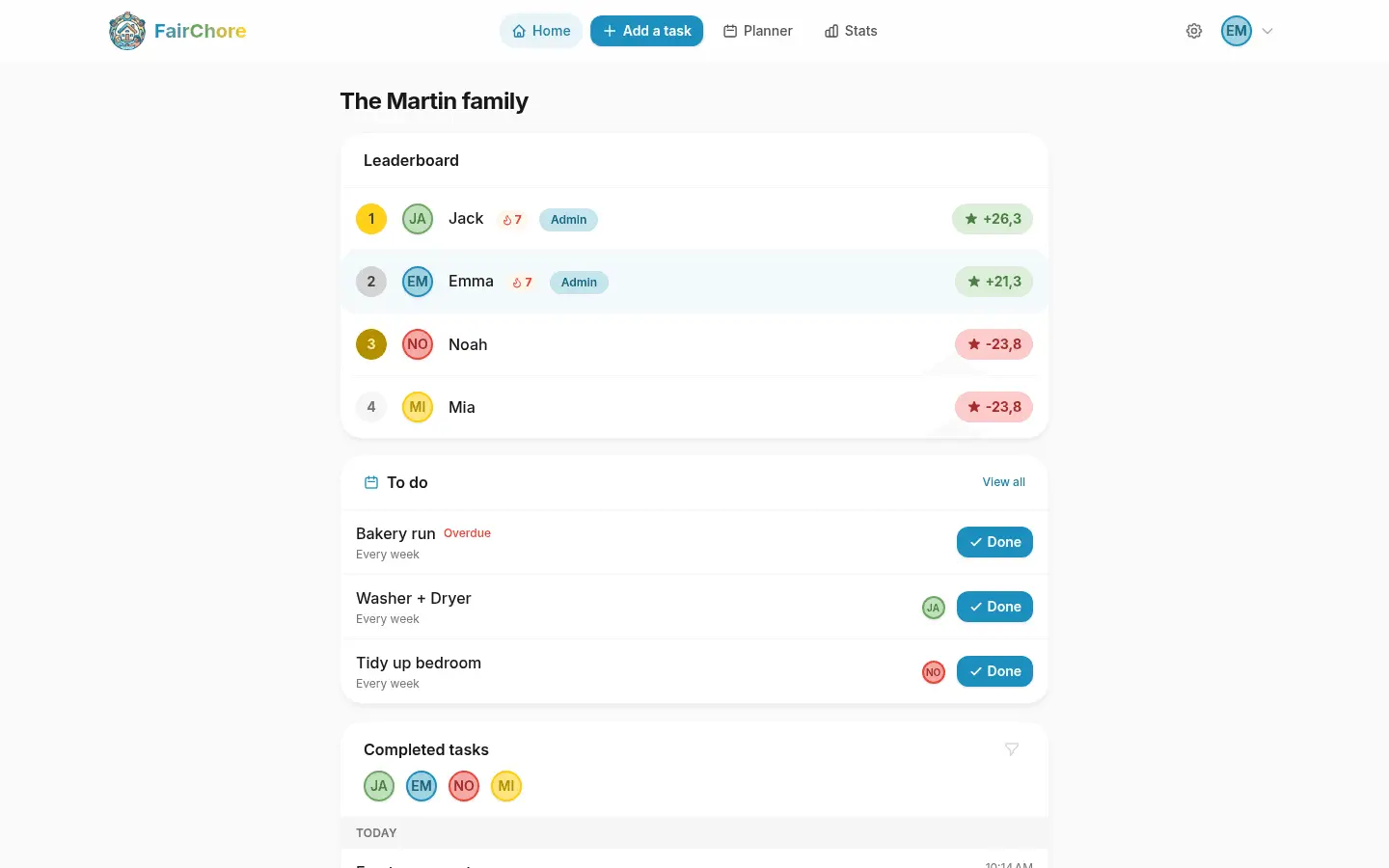
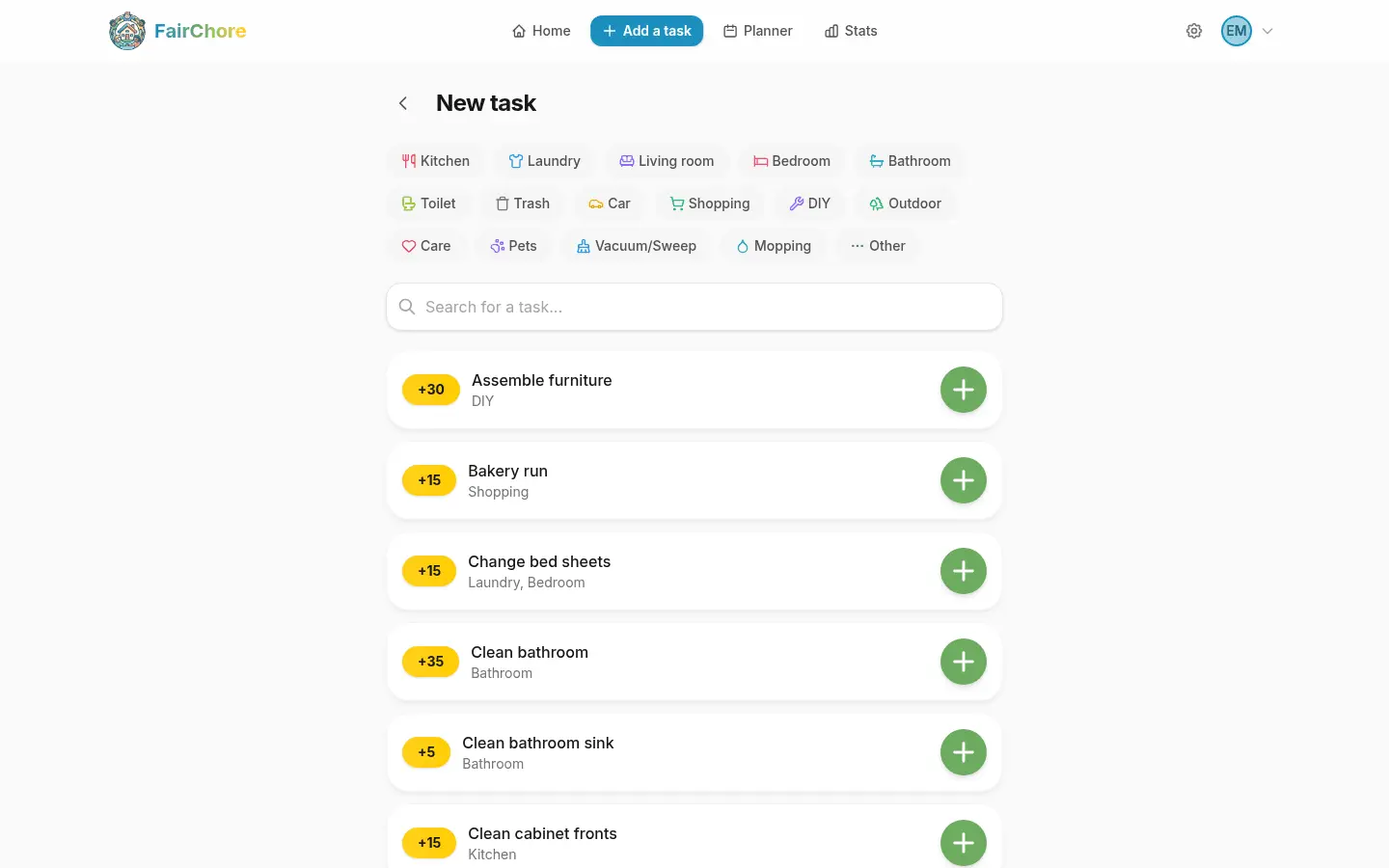
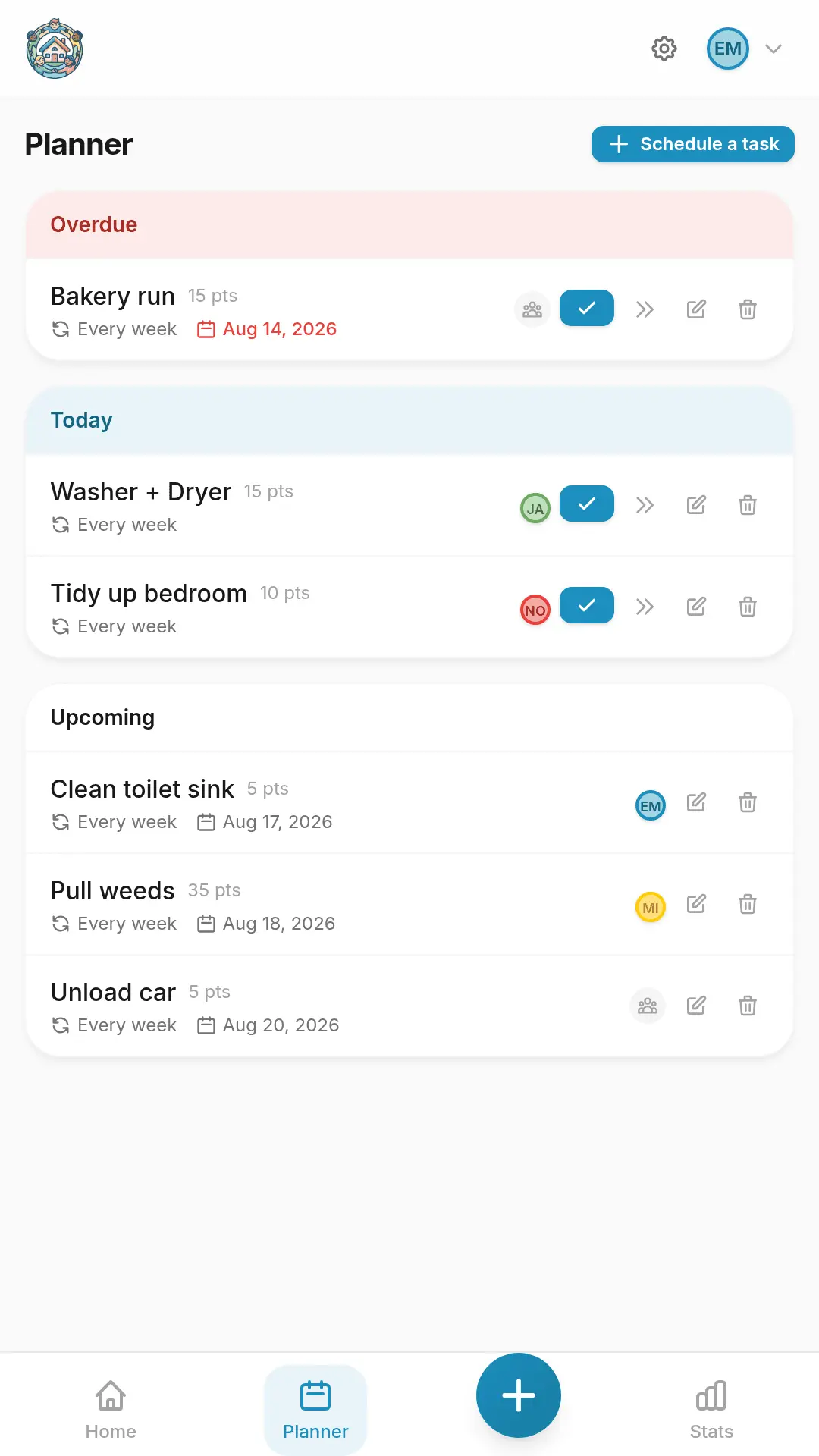
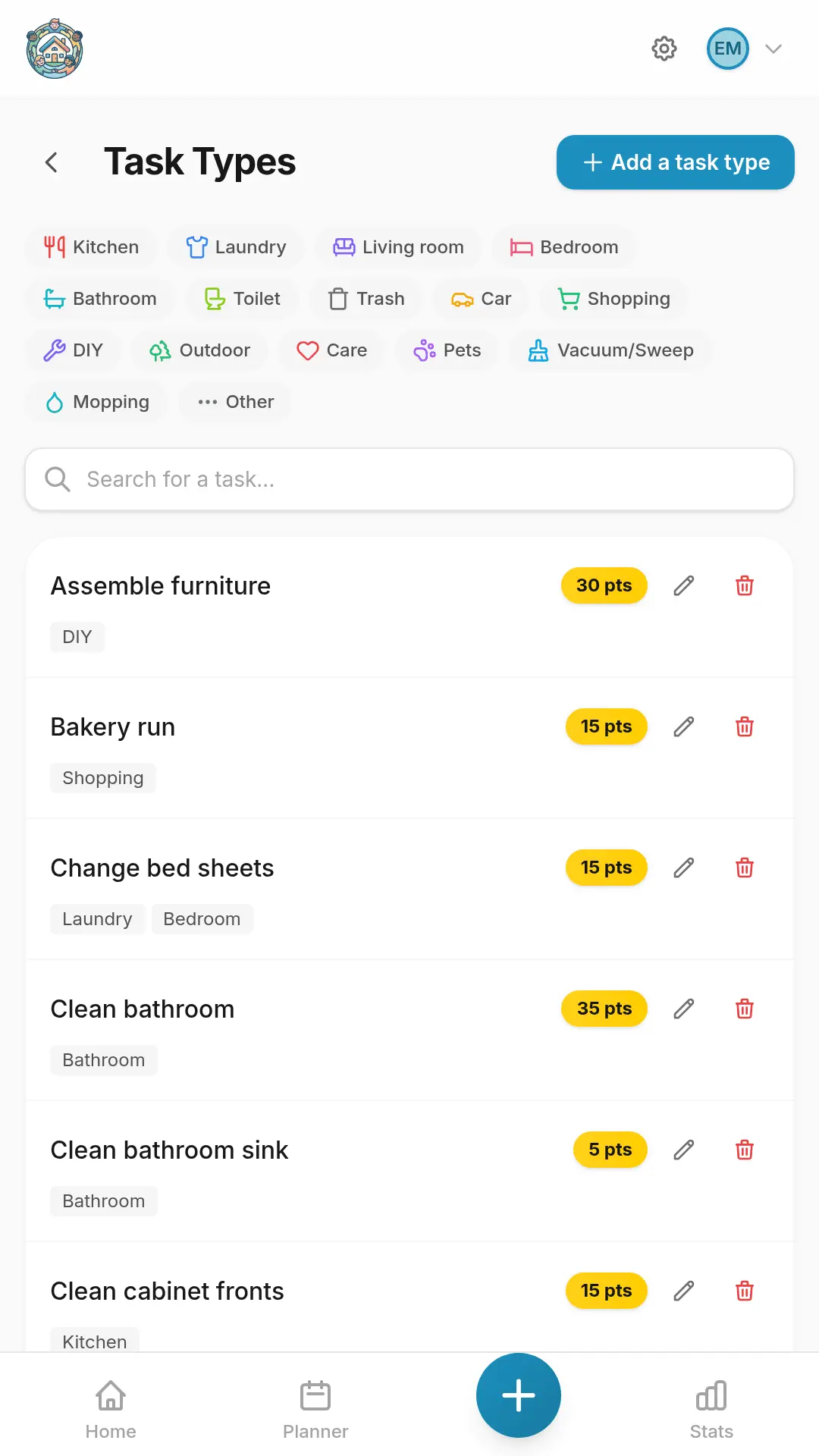
Every other chore app rewards whoever does the most. FairChore measures what each person owes the others. Points are zero-sum: the household total is always 0. A 30-point task done by Alice in a household of three gives Alice +20 and costs Bob and Chloe 10 each. Scores are never wiped at the end of the week, so the ranking answers the question people actually argue about: am I doing more than my share? And because it is zero-sum, no debt is permanent. It climbs back the moment that person does a task. A task has a doer AND beneficiaries, chosen task by task and remembered. A six-year-old is not concerned by "cook dinner"; a twelve-year-old is concerned by "clear the table". Points are meant to be tuned by use, not decided by us. A chore nobody wants is underpriced: raise it until someone takes it. A chore everyone grabs is overpriced: lower it. The balance is settled in the household, not in the code. What is in it: - Zero-sum points and a household ranking that shows who is in credit and who is in debt - Scheduled and recurring tasks, with a reminder on the day - Up to 7 supervised accounts, for children with no email address - Join by invite link or by an eight-character code - Installs as a PWA (a connection is required) and available on Google Play for Android - 16 languages, no ads, free An optional paid plan adds several households and statistics, at 2.99 EUR per month or 29.99 EUR per year, billed through Stripe. The free plan covers one household.
Screenshots
Reviews (0)
No reviews yet. Be the first to rate this product!
Comments (2)
Scoring chores as zero-sum household debt, instead of rewarding whoever logs the most points, matches how uneven loads actually feel. A task that credits the person who did it and costs the others is a clearer fairness model.
FairChore exists because the real question at home is not who did the most, it is who owes the others. Points are zero-sum: the household total is always 0, and a debt fades the moment you do a task.