
Fantasy Studio
One prompt → a cinematic 3D video or a playable game. Free
Details
- Follow on
- @Fantasylabai
- Categories
- AIVideo & Audio ToolsGaming & Game Dev
- Target Audience
- FilmmakersGame DevelopersGamers
- Pricing
- Free
- Platforms
- Desktop
Discovery signals
How AI and people discover Fantasy Studio on PeerPush
By AI reads among AI tools
497 AI reads in the last 30 days, ranked against every AI tool listed.About Fantasy Studio
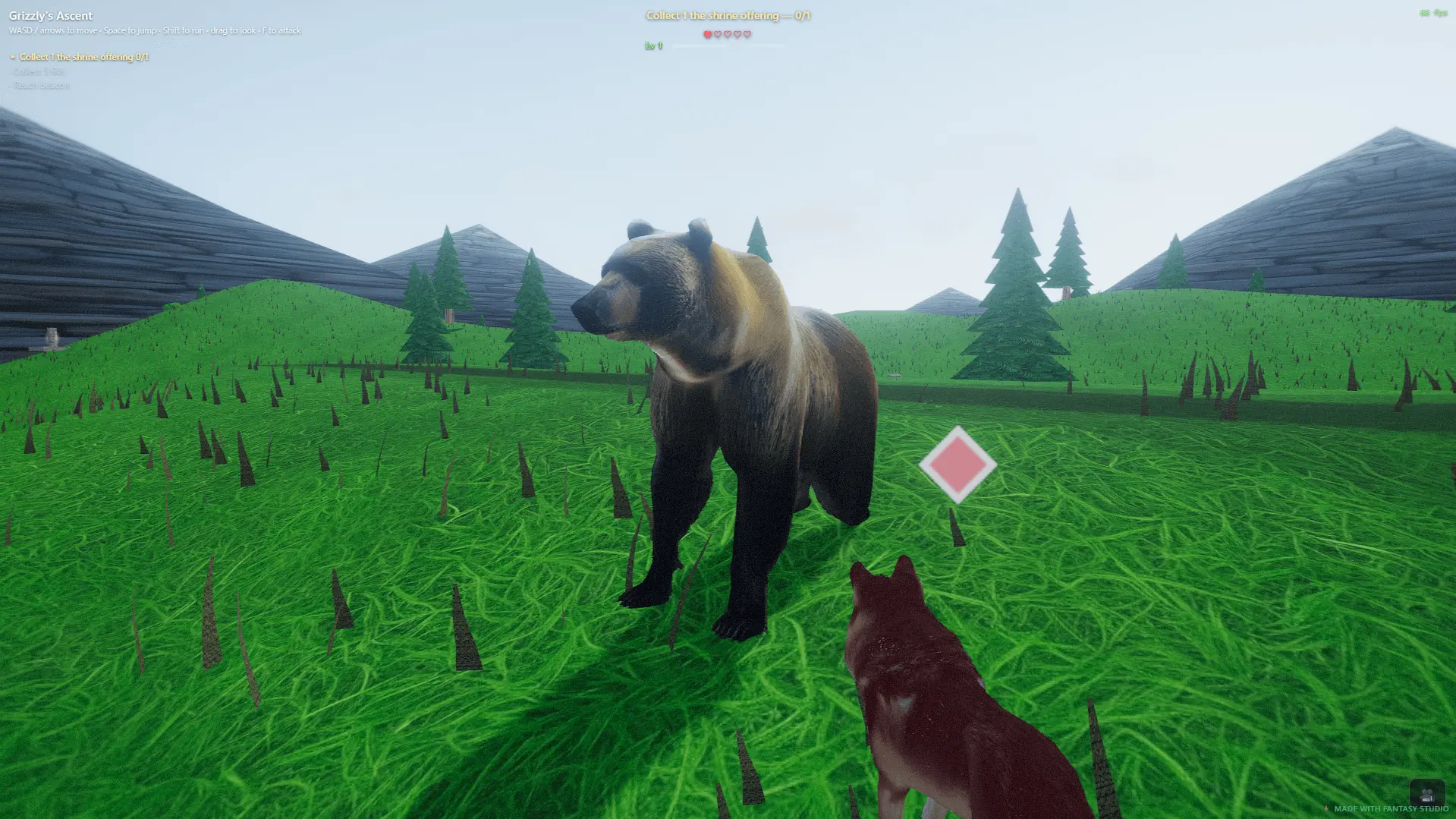
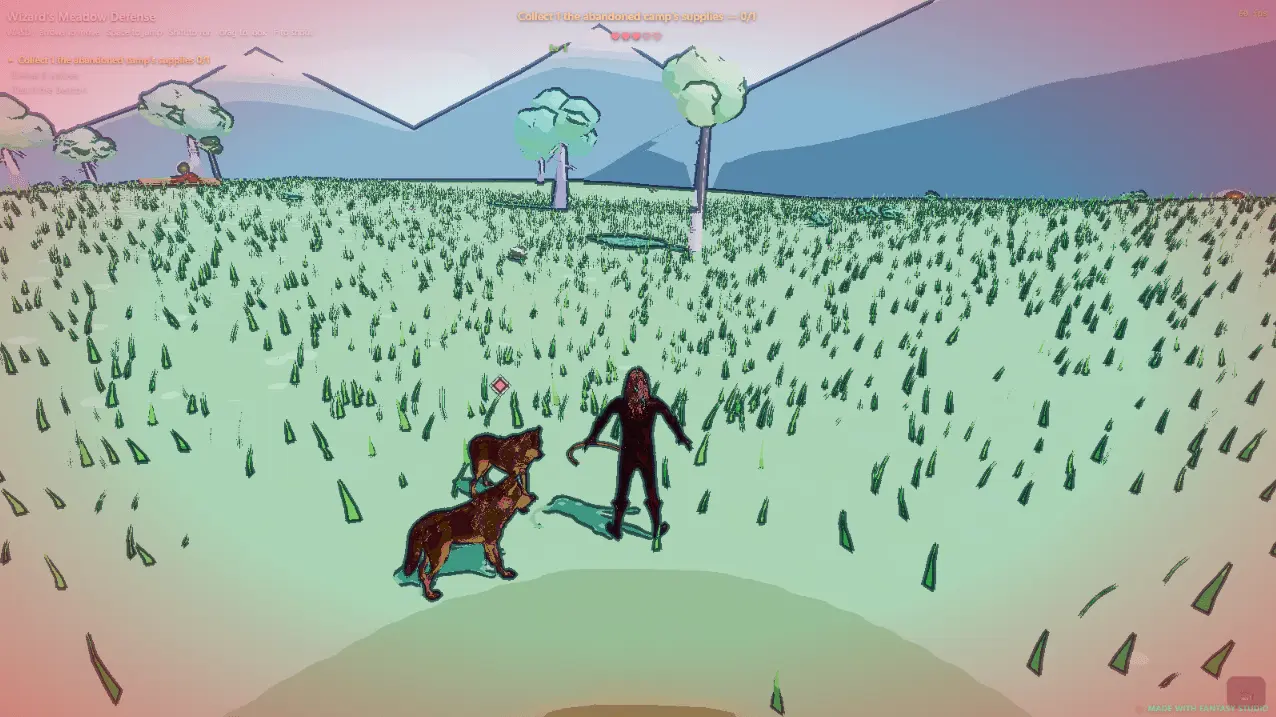
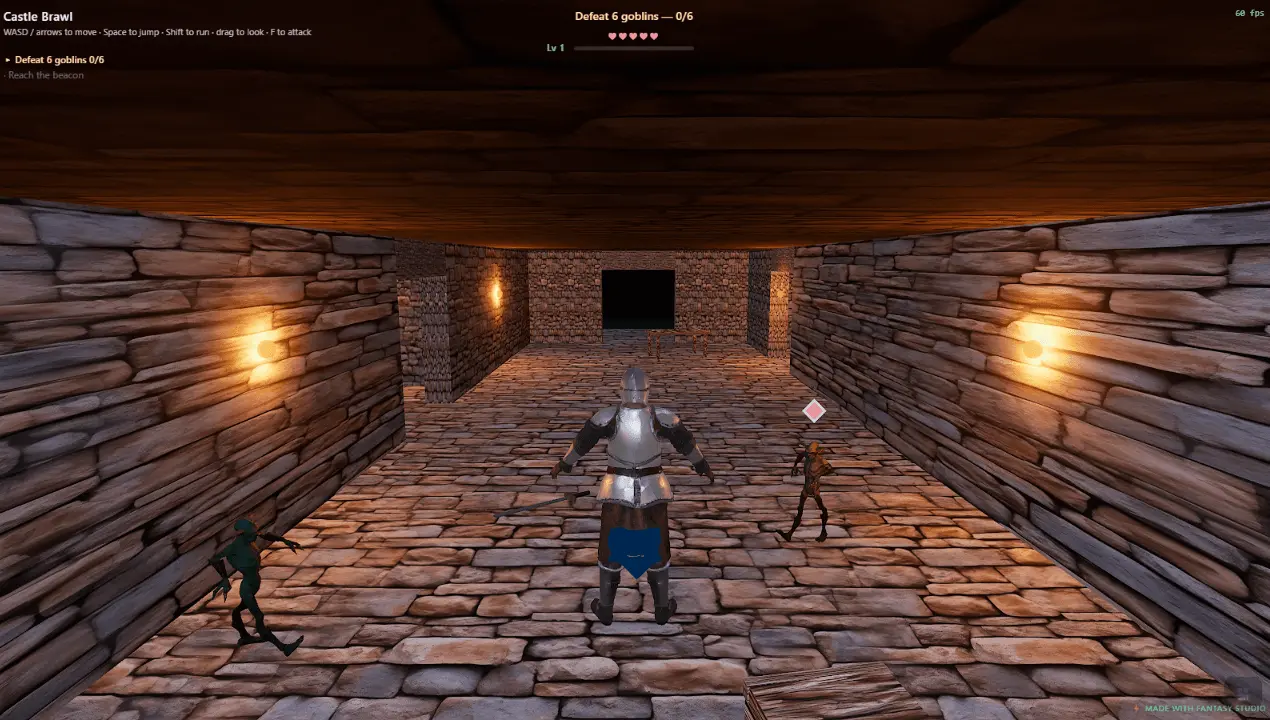
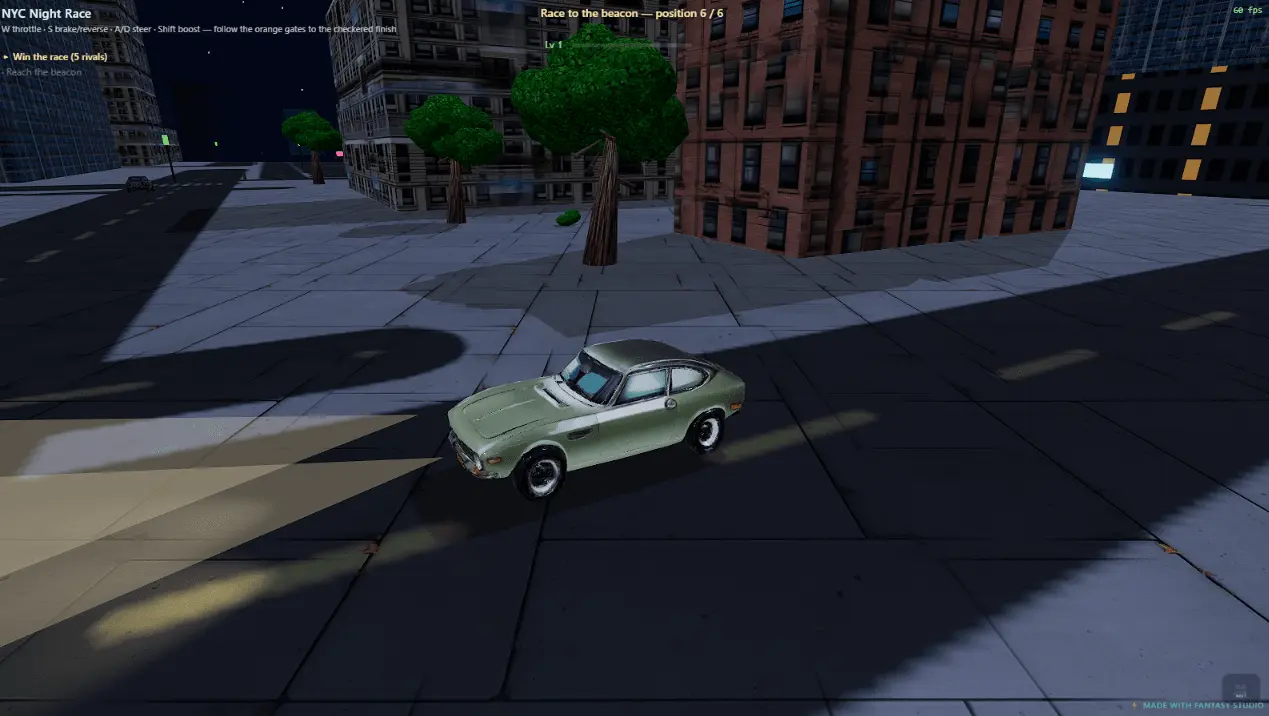
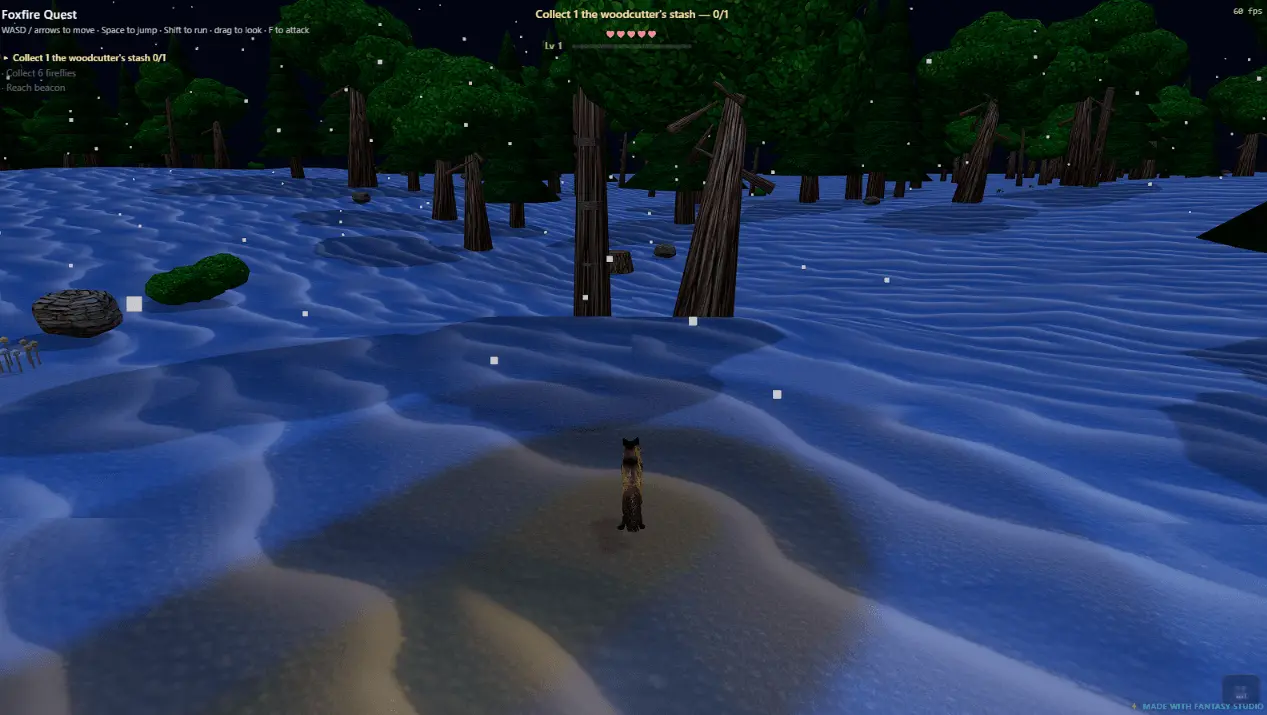
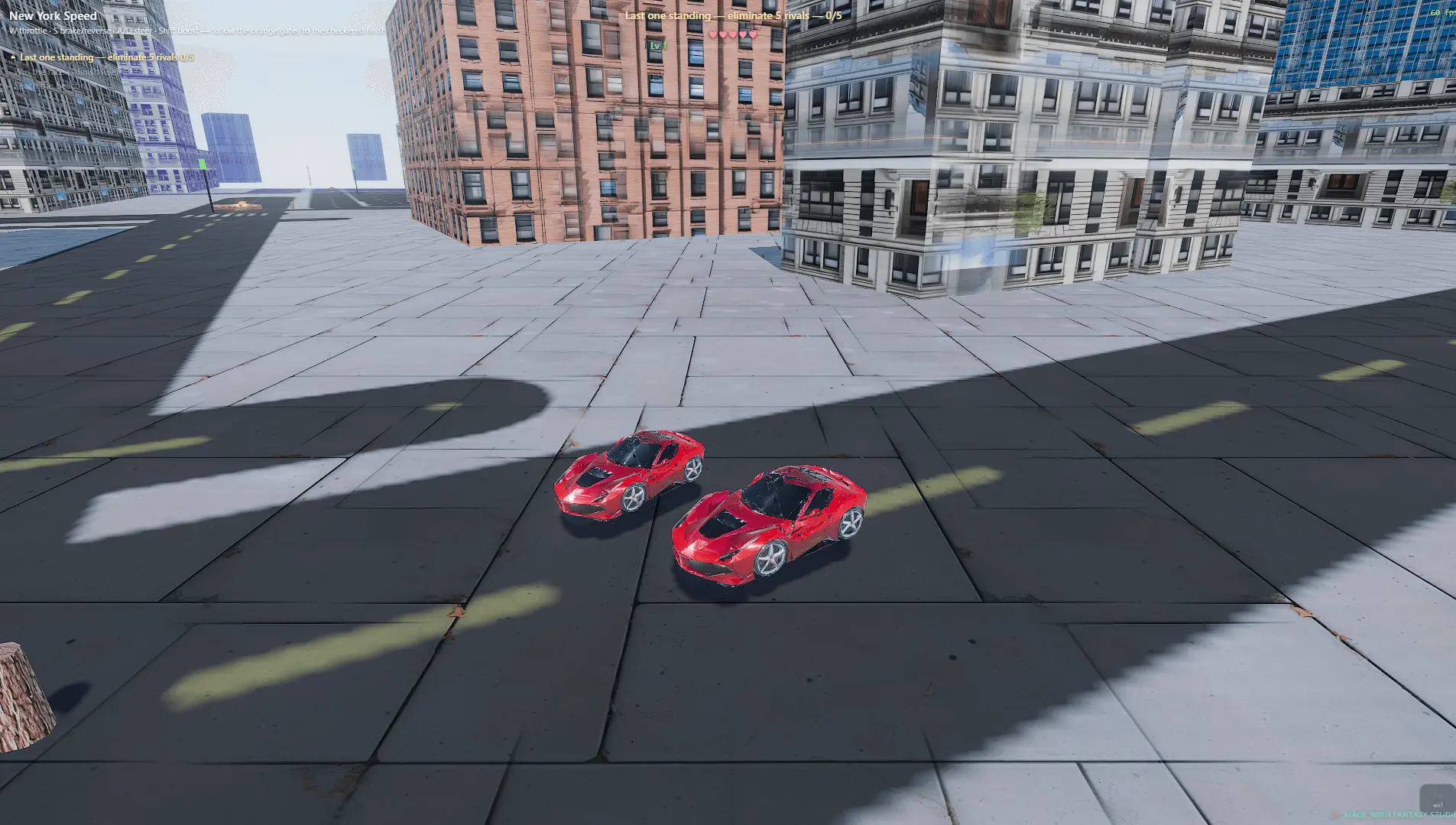
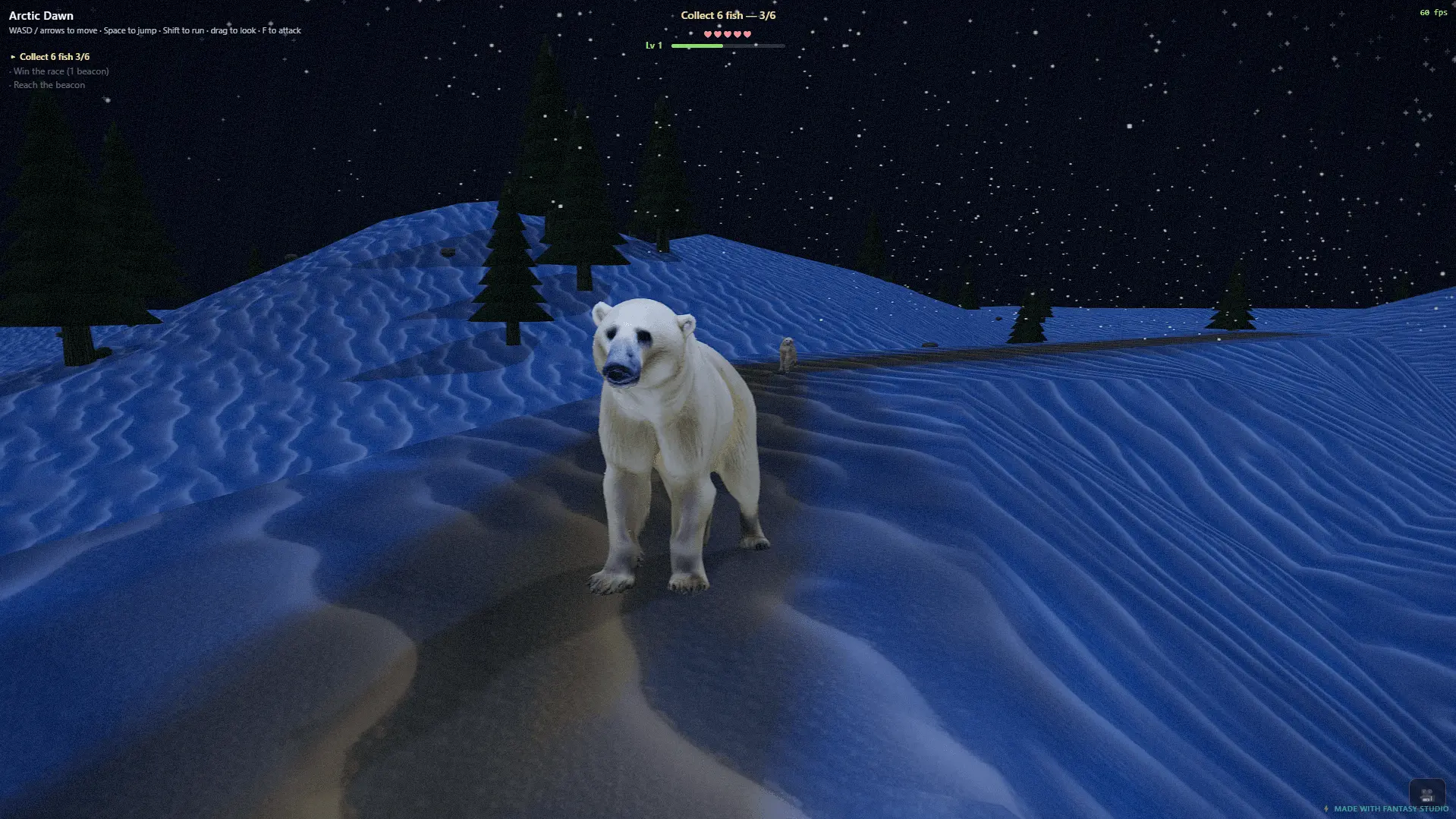
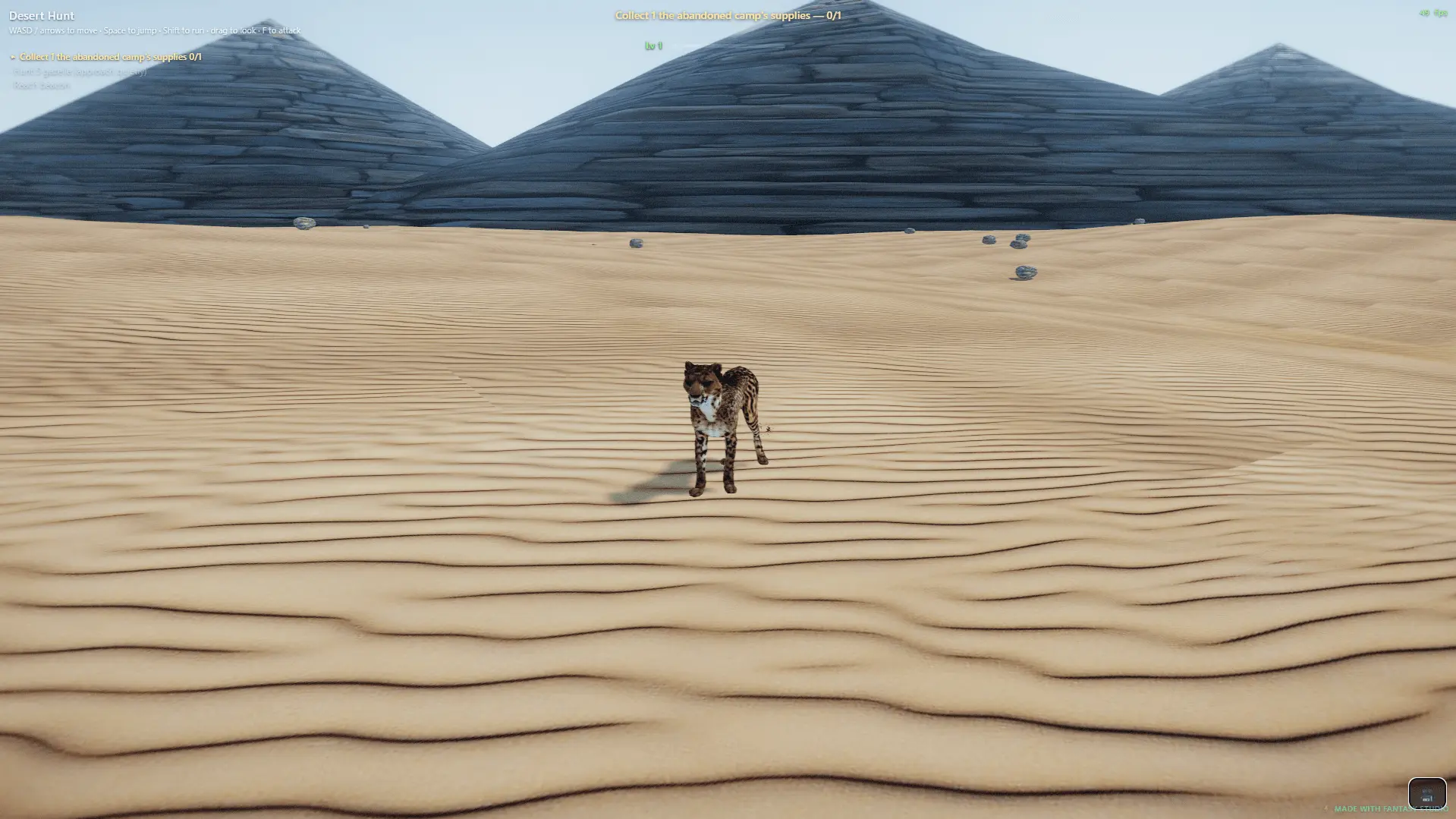
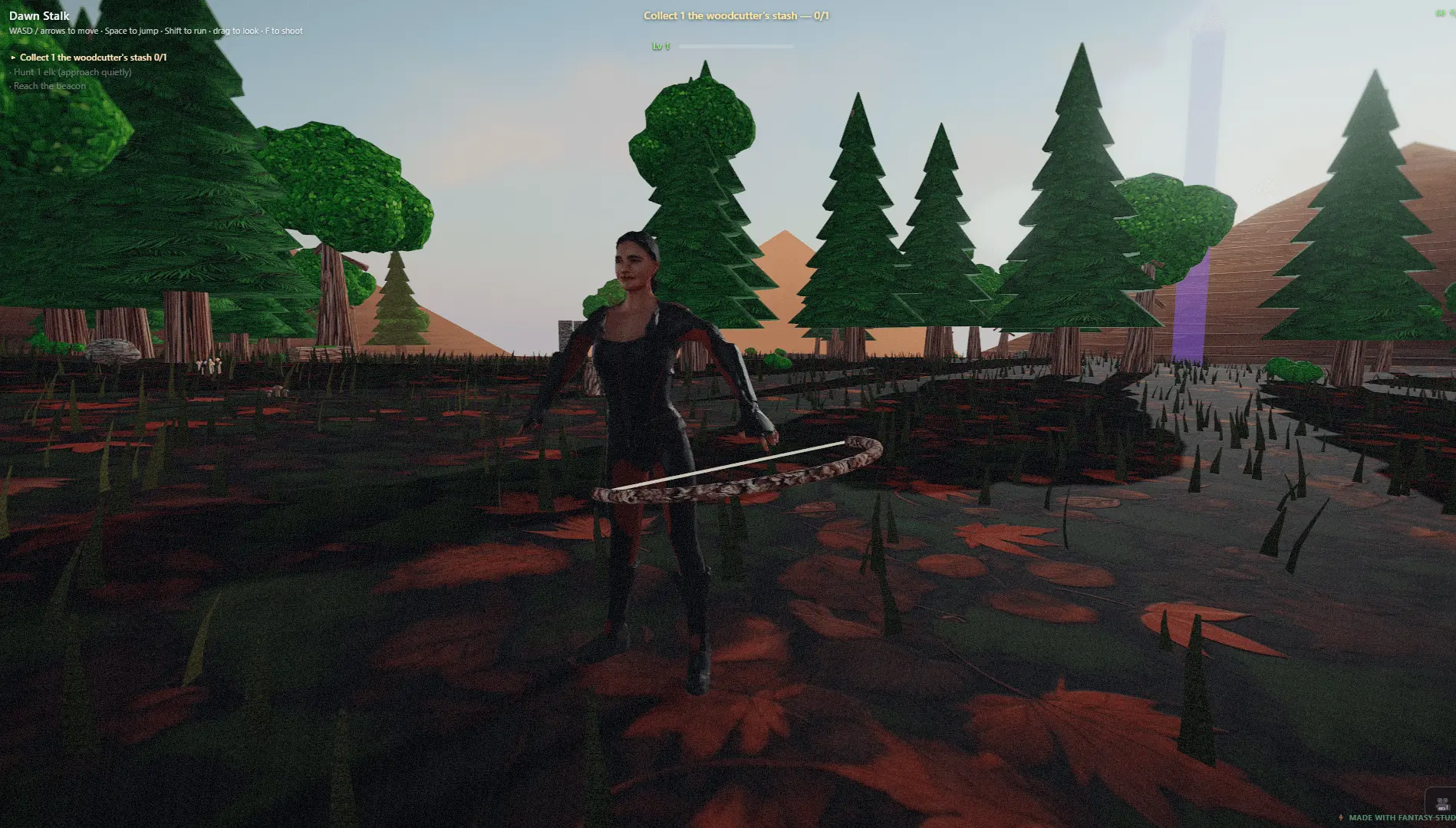
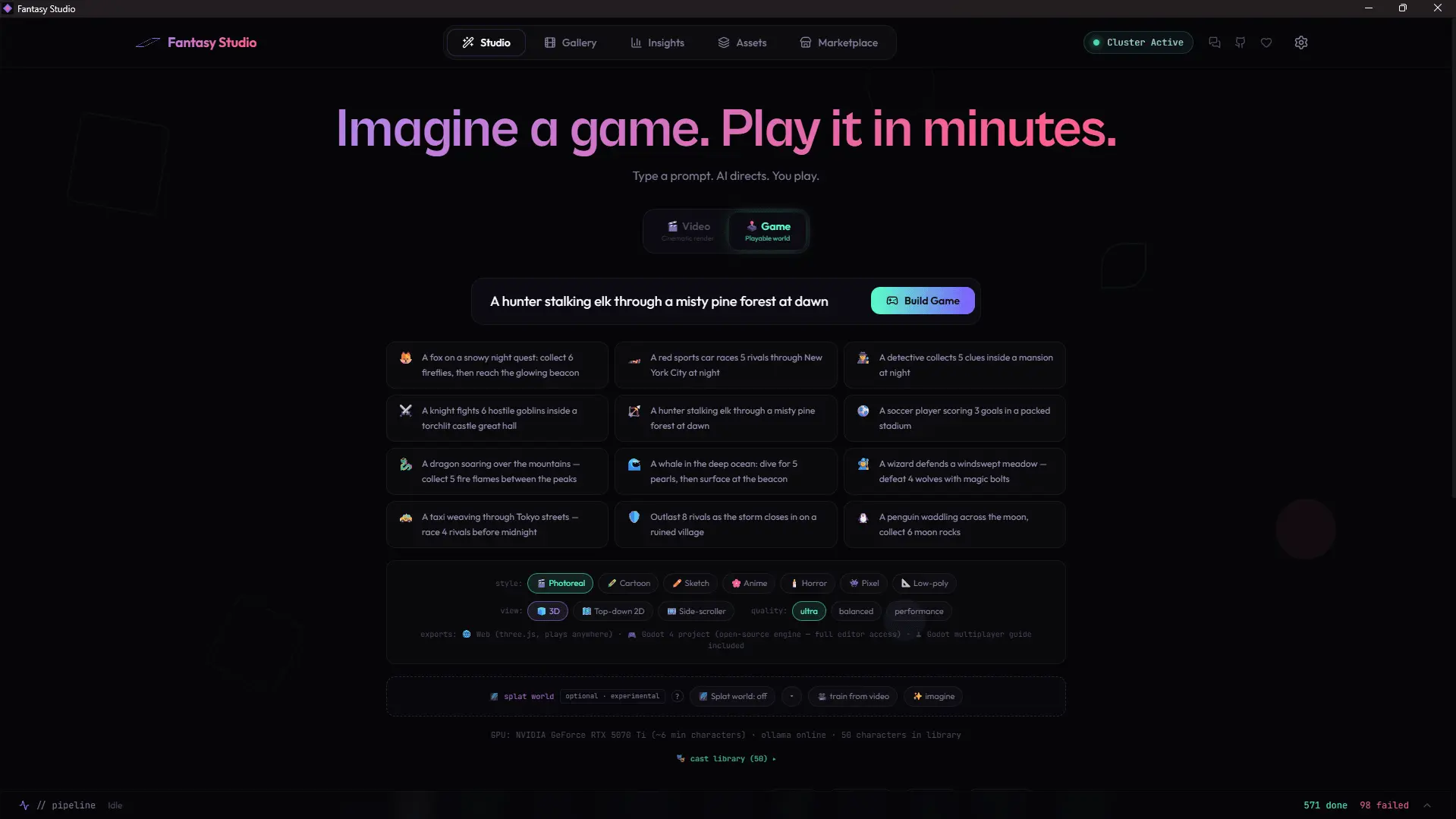
Fantasy Studio is a local-first desktop app that turns one line of text into either a cinematic 3D video or a playable game — on your own hardware, with output you own outright. Type "a red Ferrari racing through the desert at sunset" and Studio produces a photoreal, textured, animated 3D scene rendered to MP4, plus the editable source scene you can re-light, re-frame, and re-render forever. Switch to game mode and type "a knight collecting gems in a forest" — about a minute later you're playing a self-contained 3D web game with a physics character controller, wandering NPCs, collectible objectives, a HUD, and a win screen, embedded right in the app. The game build needs no GPU at all. The core bet: AI should direct real tools, not replace them with uncontrollable pixels. Diffusion video tools like Sora, Runway, and Pika generate frames you can't edit — you can re-roll the dice, but you can't re-frame the shot or own the scene. Fantasy Studio builds actual 3D: real meshes, real physics, real render engines. Deterministic, directable, editable, and free per render after install. HOW VIDEO MODE WORKS — a nine-stage local pipeline: a local LLM (Gemma 3 / Qwen3 via Ollama) extracts a structured scene plan from your prompt, generates a pose-locked reference image of your subject, then converts it into a natively textured 3D mesh using TRELLIS.2 — which beat every alternative engine 4/4 in head-to-head tests, producing realistic fur, full armor, and glossy car paint instead of clay blobs. The mesh is cleaned, orientation-verified against the reference, rigged by motion archetype (legged subjects get auto-detected skeletons and looping gait cycles; vehicles get drive physics and wheel spin), placed into a real environment — OpenStreetMap-extruded cities or real-world terrain from elevation data — lit with camera-aligned key lighting, and rendered headless in Blender (EEVEE or Cycles) to MP4. Structural quality gates run throughout so it fails loudly instead of shipping a broken render. About six minutes per clip on a 16GB-VRAM GPU. HOW GAME MODE WORKS — the same local LLM extracts a GameSpec from your prompt, then Studio assembles a complete, offline, self-contained three.js game with Rapier physics: third-person character controller, NPC entities with wander/follow AI, collectible objectives, boundary walls, HUD and win screen. Character animations (idle/walk/run) are baked from real mocap data onto auto-rigged models. Every export passes a static verification gate — structure, libraries, JS syntax, animation integrity — before it's served. Builds in 30–60 seconds, runs anywhere a browser runs, and a Godot 4 export adapter is already headless-validated, with Unreal on the roadmap. Both modes share one asset system: procedural world-dressing props, a curated healed asset library, and auto-fetch fallbacks. And both ship real files — MP4, editable scene source, GIF, PNG sequences, playable game folders. Nothing is locked in a cloud account because there is no cloud: no API keys, no per-render fees, no rate limits, no data leaving your machine. Now shipping as a native desktop app (Tauri 2 shell) with the browser studio still available. Windows-first; Linux supported via upstream setup. Commercial-safe by construction: built entirely on permissively licensed components (TRELLIS.2, three.js, Rapier — MIT/Apache; SDXL under OpenRAIL++). Ship two attribution lines in your credits ("Built with DINOv3" and "© OpenStreetMap contributors") and everything you generate — videos and games — is yours to sell. Built for creators, indie filmmakers, YouTubers, marketers, and now indie game devs who want playable prototypes from a sentence. Best today at single-subject cinematic shots and compact objective-based games; multi-subject composition and deeper game genres are the explicit next phase, not hidden limitations. Source-visible under BSL 1.1 (auto-converts to Apache 2.0 in four years), built in public, solo dev. Part of FantasyLab.ai — local-first AI tools where the model directs real software and the user owns the output.
Product Video
Watch a video demo of Fantasy Studio.
Screenshots
Reviews (6)
Average 4.7 out of 5
Based on 6 reviews


Fantasy Studio has an ambitious vision, combining AI, 3D content creation, and game generation into a local-first workflow. The focus on editable outputs and full ownership makes it a compelling option for creators and indie developers.
Comments (4)
Great!
looks good
@bazil1 Thanks for the support!
Really impressive concept! I like the local-first approach and the idea of generating real 3D assets instead of locked video outputs. Wishing you a successful launch and excited to see where this goes! 🚀
@eldhobenny appreciate the support!
Hi everyone! Really excited to launch here and gain user feedback, would love to work out the kinks here and also learn what users want to create!